The Armenian community in Spain took shape mainly over the past 25–30 years, after the collapse of the USSR. For anyone moving now, two facts matter more: Armenia remains on the visa list (Annex I to Regulation (EU) 2018/1806), and Armenian documents are certified with an apostille — the country has been party to the Hague Convention since 1994. Below: where the diaspora lives, how a move works and which routes apply.
Can you move to Spain with an Armenian passport?
Yes. There is no special regime for Armenian citizens: they obtain a residence permit on the same grounds as other foreigners — remote work, a non-lucrative residence permit (no right to work), employment, study, a startup visa, family reunification. Each route is covered below, in the section “Routes to a residence permit”.
- A visa is required. Armenia is on the list of countries whose citizens need a visa to enter the Schengen area — Annex I to Regulation (EU) 2018/1806. Applications for a Spanish visa are submitted through the Spanish visa centre in Yerevan.
- Remote workers can apply from inside Spain. If you are already in the country lawfully — for example, on a valid Schengen visa — the teleworker permit is requested on the spot. From Armenia you can only apply for a visa through the consulate. This is how the Unidad de Grandes Empresas (Large Companies Unit) describes it. Where to apply from Armenia, an employer in Russia and refugee travel documents are covered in the digital nomad permit if you live in Armenia.
- Criminal record certificate — from the country where you have lived for the last two years. All countries of residence in the five years before applying are checked. Armenia has been a party to the Hague Convention since 1994, so Armenian documents are certified with an apostille and translated into Spanish.
- Citizenship — after ten years of residence. Armenia is not on the list of countries whose nationals keep their previous citizenship on naturalising in Spain, so when obtaining a Spanish passport you declare that you renounce your Armenian one — Articles 22 and 23 of the Civil Code. More detail in our article on dual citizenship in Spain.
Where to start and which route suits you — in our overview of Spanish residence permits and on the digital nomad residence permit page.
Historical roots of the Armenian presence
The history of relations between Armenia and Spain began many centuries ago. The first mentions of Armenians in Spain date back to the Middle Ages, when Armenians came to Europe along trade routes and in search of refuge from wars in the East.
The link between Catalonia and Cilician Armenia in the 13th century is particularly interesting. The ruler of Cilician Armenia, Levon II, maintained diplomatic and cultural relations with Western kingdoms, including the royal houses of Spain. Armenian merchants traded with Spanish cities, bringing eastern goods: silk, spices, jewellery. Armenian pilgrims passed through Spain on their way to Santiago de Compostela, one of the main Christian pilgrimage centres in Europe.
Notably, the Basques of northern Spain and the Armenians share some cultural parallels. According to some historical studies, there are theories about possible ancient links between the two peoples, although this remains a subject of academic debate among scholars and historians.
Current numbers and geographical distribution
According to the latest data from Armenia’s Ministry of Diaspora, between 40 and 60 thousand Armenians currently live in Spain, making this the third-largest Armenian diaspora in Western Europe after France and the United Kingdom. Most Armenians emigrated from Armenia over the last 25–30 years, especially after the collapse of the USSR.
The main centres of the Armenian diaspora:
Madrid (about 15–20 thousand Armenians) — the centre of the Armenian diaspora, home to the most active community. Armenians here work in a wide range of economic sectors — from business and trade to culture and education. The capital has Armenian cultural centres and regular community events.
Barcelona (10–15 thousand) — attracts Armenians thanks to its cosmopolitan character and Catalonia’s strong economy. The Catalan capital has Armenian entrepreneurs, cultural organisations and church services.
Valencia (8–10 thousand) and other cities in eastern and southern Spain — Alicante, Málaga — also have significant Armenian communities, drawn by the climate and quality of life.
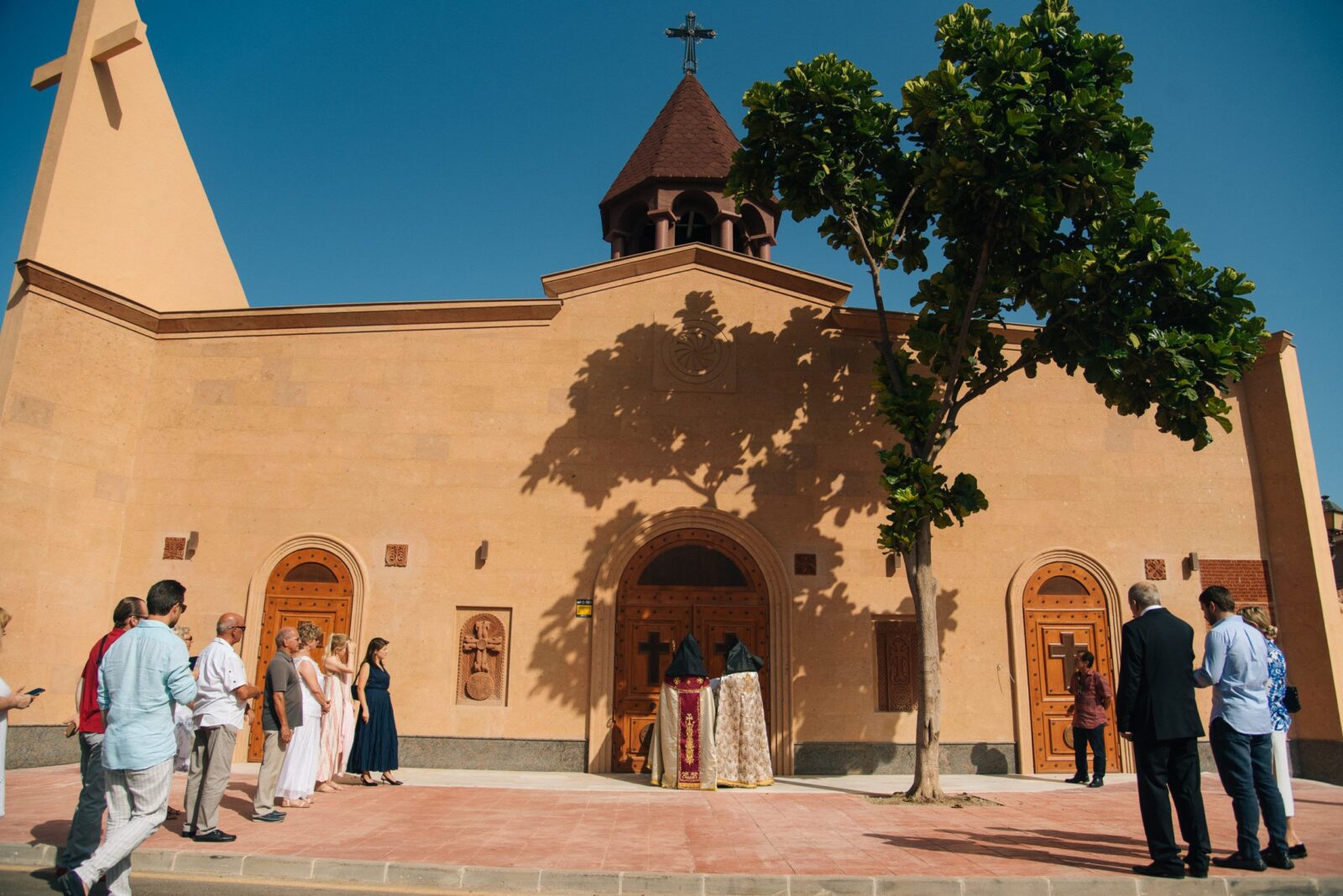
Tarragona and the Calonge area — where Spain’s first church of the Armenian Apostolic Church was opened, which became the spiritual centre for Armenians across the country.
Routes to a residence permit
Armenians come to Spain and obtain residence permits in various ways. Armenian citizens need to apply for visas at the Spanish Consulate in Moscow or through the official BLS visa centre in Yerevan.
Main ways to obtain legal status:
1. Labour migration
Employment requires an official contract with a Spanish employer, who must prove that no suitable EU candidate was found for the vacancy. Many Armenians find work in construction, retail, the restaurant business and IT. Which other sectors are open to newcomers and how much they pay is covered in our overview of working in Spain.
Self-employment (Autónomo) is a popular option among Armenian entrepreneurs: registering as a self-employed person, paying monthly contributions (about €300–400 a month), and being able to run your own business.
What these contributions cover, how the reduced rate for the first months is calculated and what reporting you will have to file is explained in detail: autónomo in Spain. The other grounds for residence are brought together in our overview of Spanish residence permits.
2. Residence permit for financially independent people (No Lucrativa)
It does not give the right to work but allows you to live in Spain legally. You need proof of a stable income of at least €2,400 a month or €28,800 in savings, plus €600 a month for each family member, and private health insurance. It suits Armenian pensioners or those with passive income. What the consulate counts as passive income and in what order the documents are submitted is on our page on obtaining a non-lucrative residence permit.
3. Student visa
Young Armenians come to study at Spanish universities. A student visa allows you to work up to 30 hours a week; after graduating you can extend your residence for a year to look for work, with the possibility of switching to a work permit.
4. Digital Nomad Visa
Since 2023 Spain has had a special visa for remote workers — one of the most modern ways to obtain legal status:
- Remote work for companies outside Spain
- Income of at least €2,849 a month
- At least 3 months of remote work experience
- A special tax regime (24% instead of the standard rates)
- Duration: 3 years, renewable up to 5 years
Ideal for IT specialists, designers and programmers — many young Armenians choose this route.
5. Startup visa
Spain actively attracts entrepreneurs through its startup visa programme:
- An innovative business project with growth potential
- Approval by a special ENISA committee
- Fast processing (60–90 days)
- Access to the Spanish startup ecosystem
- Duration: 3 years, renewable up to 5 years
Popular among Armenian IT specialists and entrepreneurs from the tech sector.
6. Residence through settlement (Arraigo Social)
For those already in Spain: you need to have lived there continuously for 3 years, have an employment contract for at least 1 year and prove social integration (knowledge of the language, certificates from the municipality).
7. Family reunification
Spouses, children under 18 and dependent parents of Spanish residents or citizens can apply for a residence permit. The sponsor must have sufficient income and suitable housing.
The residence permit process:
- Submitting documents at the consulate or visa centre in Yerevan
- Receiving a type D visa (valid for 90 days for entry)
- Arriving in Spain
- Applying for the residence card (TIE) within 30 days
- Renewing the residence permit after 1–2 years
- Obtaining permanent residence after 5 years
- Citizenship after 10 years of legal residence

The Armenian Apostolic Church: the community’s spiritual centre
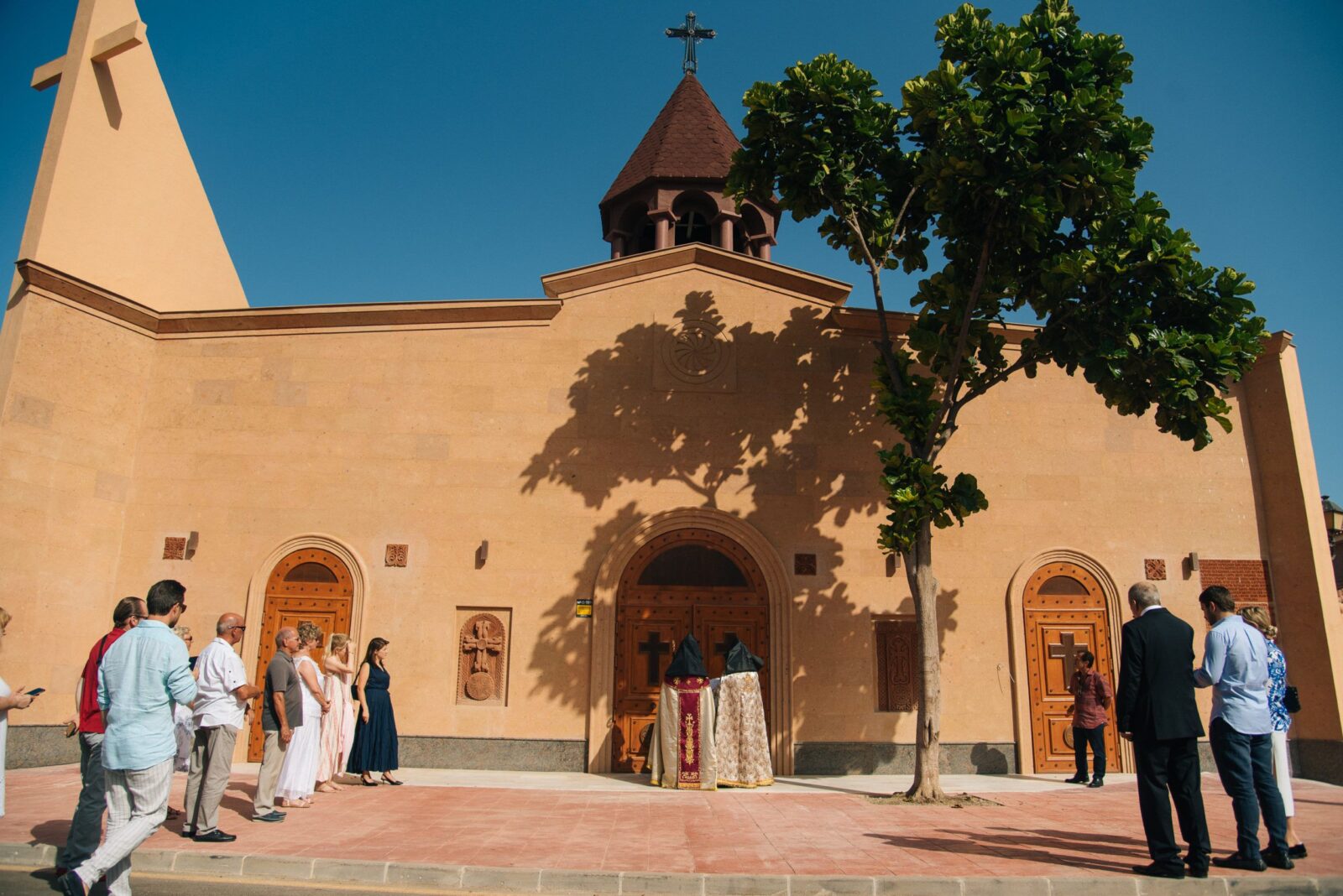
A key event in the life of the Armenian community was the opening of Spain’s first church of the Armenian Apostolic Church in Tarragona. Thanks to the efforts of the Armenian community and with the support of the local authorities, a church was consecrated that became the spiritual centre for Armenians throughout Spain.
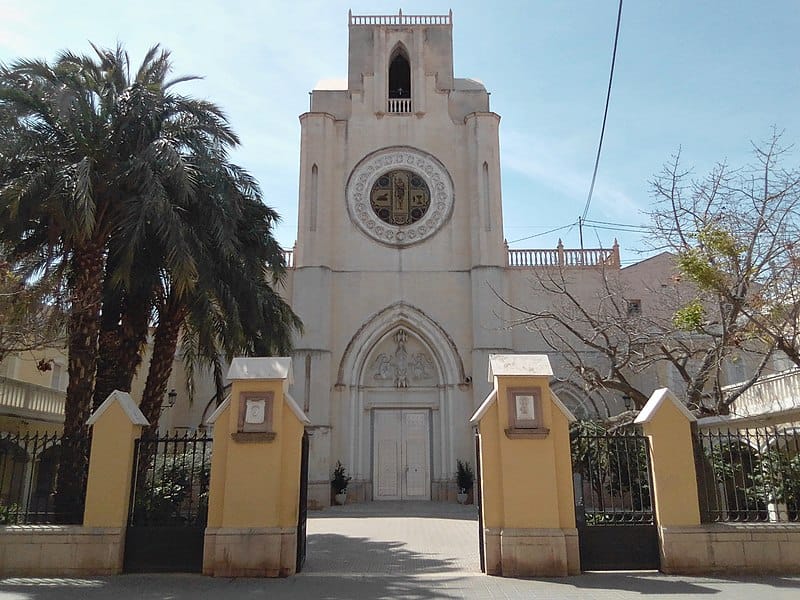
The church is an important symbol of preserving national and religious identity. Regular services in Armenian are held here, and all Armenian holidays are marked, including the Armenian Genocide Remembrance Day on 24 April. The Archbishop and representatives of the Catholicosate of Cilicia regularly make official visits to Spain and celebrate solemn liturgies.
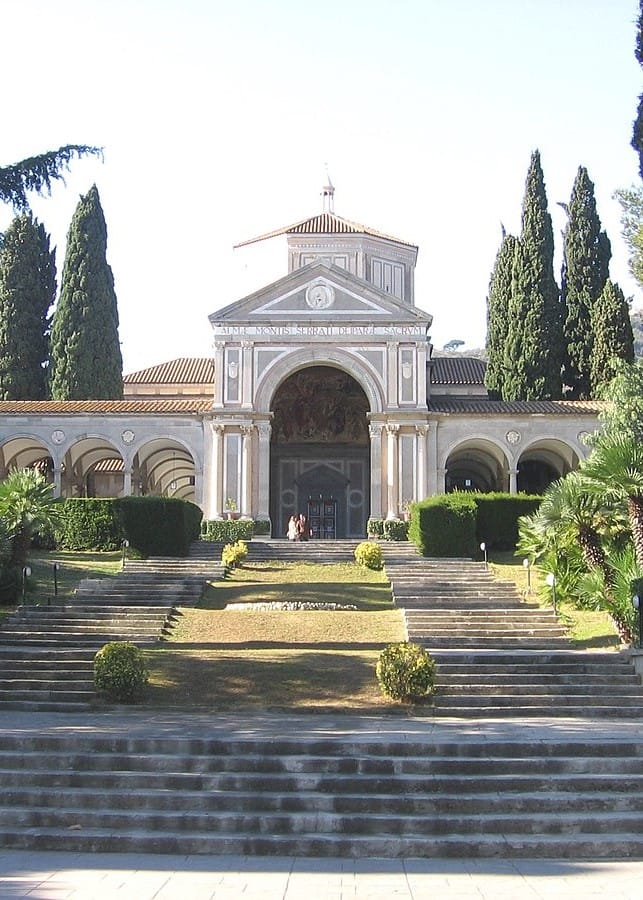
Barcelona also has a parish where Armenians gather for Sunday services and holidays. The community marks the main religious dates: Christmas (6 January), Easter, Armenian Independence Day (21 September), Vardavar and Trndez.
Cultural life and preserving identity
Armenian culture in Spain finds expression through various initiatives and projects. Despite the relatively small number of Armenians, the community remains culturally active.
Language education
Madrid and Barcelona have Sunday schools where children learn the Armenian language, history and traditions. Although most Armenians in Spain speak Spanish (and in Catalonia Catalan as well), many families want their children to know their native language. The courses are attended not only by children from Armenian families but also by Spaniards interested in Armenian culture.
Cultural events
The organisation “Friends of Armenia”, the Armenian General Benevolent Union (Unión General de Beneficencia de Armenia) and other associations regularly hold:
- Concerts of Armenian music featuring the duduk — a traditional wind instrument on the UNESCO heritage list
- Presentations of books by Armenian authors translated into Spanish
- Exhibitions of Armenian art and photographs of ancient monasteries
- Armenian cuisine evenings in restaurants
- Celebrations of the Armenian New Year and national holidays
- Armenian culture days in various cities
Historical monuments
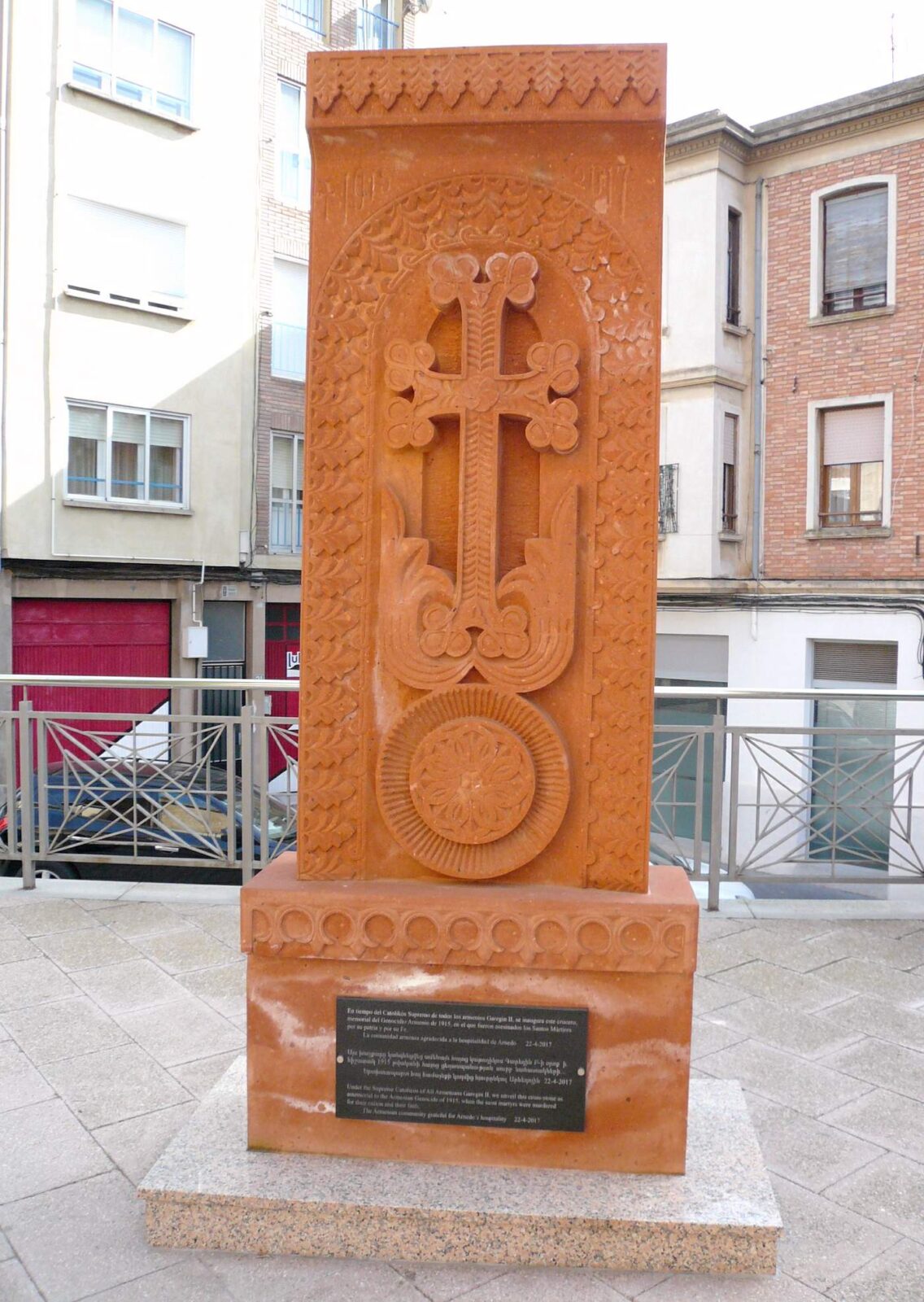
Monuments connected with Armenian history have been erected in various cities. The most significant are a khachkar (Armenian cross-stone) and a memorial dedicated to the victims of the Armenian Genocide.
The presence of Armenian saints in the Spanish religious tradition is an interesting fact. Saint Thecla (Santa Tecla), patron saint of Tarragona, is venerated in both the Catholic and Armenian Apostolic traditions. Every year on Saint Thecla’s day festivities are held (Festes de Santa Tecla), in which members of the Armenian community take part.
Economic activity
Armenians take an active part in Spain’s economic life:
Trade and business: Armenian entrepreneurs own companies in retail and wholesale trade, property and services, creating jobs. How such a business is formally set up — from choosing between autónomo and an SL to a licence for the premises — is described in our overview of doing business in Spain.
Technology and innovation: young Armenians find work in the tech sector, especially in Barcelona — one of Europe’s technology hubs. Armenian programmers, designers and data analysts work for Spanish and international companies.
Construction and property: a significant proportion of Armenians work in construction, both as employees and as owners of their own companies.
Restaurant business: Armenian cuisine is gradually winning fans. Several restaurants offer dolma, khash, lavash, khorovats (barbecue), kyufta, zhingyalov hats and Armenian sweets (pakhlava, gata, sujukh). Armenian brandy and wine are also appearing in specialist shops.
Cultural projects: Armenians take part in international projects linking Spain and Armenia in culture, education and tourism.
Political and public relations
Relations between Spain and Armenia at state level are developing positively. Official visits, letters from the President of Armenia and meetings of diplomatic delegations help strengthen bilateral ties.
Recognition of the Armenian Genocide
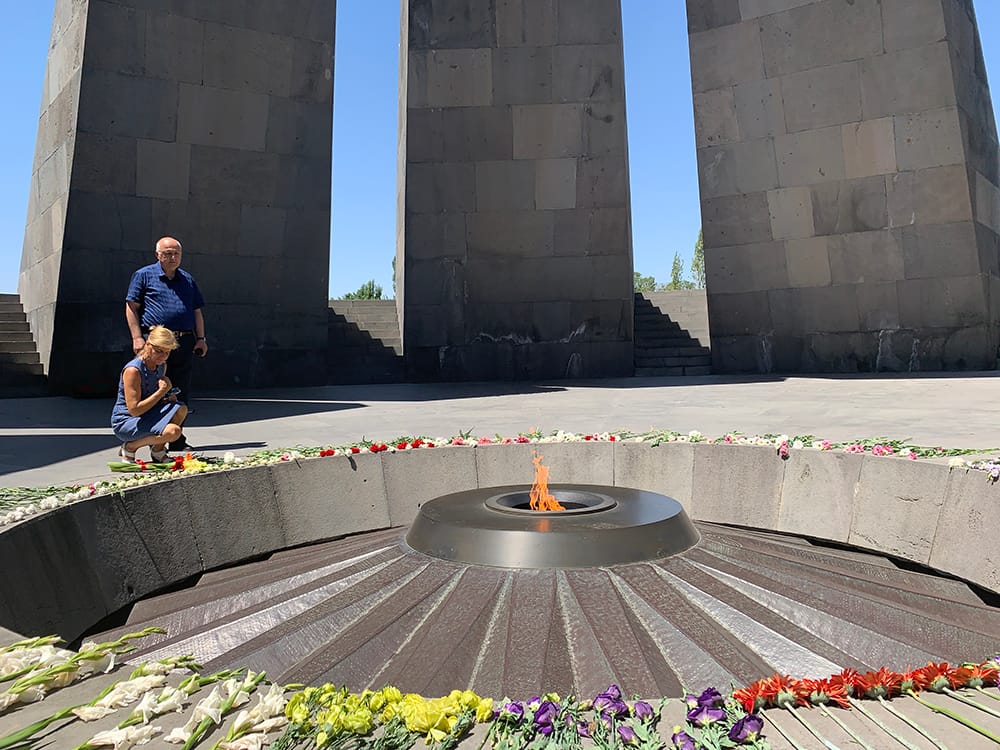
A crucial moment was Spain’s recognition of the Armenian Genocide. The Spanish parliament and regional governments, including Catalonia and Andalusia, adopted resolutions recognising the tragedy of 1915 as a genocide of the Armenian people. This decision was achieved thanks to the efforts of the Armenian community and human rights organisations.
Every year on 24 April the Armenian community holds commemorative events, lays flowers at memorials and organises remembrance marches, attracting the attention of the Spanish media.
Community organisations
The Armenian diaspora has several organisations:
- The Armenian Community of Spain — coordinates Armenian activities and represents their interests before the authorities
- The Armenian General Benevolent Union — does charitable work and helps those in need
- The “Friends of Armenia” organisation — promotes Armenian culture among Spaniards
- Cultural associations in Madrid, Barcelona and Valencia
- Youth organisations — bring together the second and third generations
These organisations help newcomers settle in, assist with finding work and housing, and provide legal advice.
Frequently asked questions
Do Armenians need a visa for Spain?
Yes. Armenia is on the list of countries whose citizens require a visa to enter the Schengen area — Annex I to Regulation (EU) 2018/1806. For a move you need a long-stay visa or a residence permit on some basis.
How are Armenian documents certified for Spain?
With an apostille: Armenia has been party to the Hague Convention since 1994. After the apostille the document is translated by a sworn translator accredited by the Spanish Ministry of Foreign Affairs.
Is Armenian citizenship kept on naturalising in Spain?
As a general rule, obtaining a Spanish passport requires declaring renunciation of the previous citizenship — articles 22 and 23 of the Civil Code. Armenia is not among the countries for which an exception is made.
Where does the Armenian diaspora live in Spain?
The community took shape mainly over the past 25–30 years, after the collapse of the USSR, and is concentrated in the large cities and along the coast, where work and housing are easier to find.
Which routes suit Armenian citizens?
The same as for other third-country nationals: remote work, your own business, study, family reunification. Citizenship in itself neither grants nor blocks a route — income, documents and status decide.
Tell us your situation — we reply within the hour
Waves of migration
Historical migration
After the Armenian Genocide of 1915 some Armenians found refuge in Europe, including Spain, although the main flows went to France, Russia and the Americas.
The post-Soviet wave (1990s–2000s)
After the collapse of the USSR a mass wave of migration began, driven by the economic crisis in Armenia and the search for work and stability. Spain was going through an economic boom, especially in construction, which attracted workers.
Current trends (2008–present)
After the 2008–2012 crisis many Armenians left for other countries or returned to Armenia. However, those who stayed built a stable community. In recent years new trends have emerged:
- The arrival of IT specialists and digital nomads
- Migration of wealthy Armenians investing in property
- Student migration for a European education
- The arrival of Armenians from the Middle East (Syria, Lebanon)
Challenges and prospects
Preserving identity
Preserving Armenian identity is a particularly pressing issue for the second and third generations. Children who grew up in Spain often do not know Armenian. Young Armenians speak mainly Spanish and feel Spanish, although they are aware of their Armenian roots.
The community organises Sunday schools, summer camps in Armenia, youth programmes and trips to the homeland. Family traditions, celebrating Armenian holidays at home and keeping in touch with relatives online play an important role.
The Karabakh conflict
Events in Nagorno-Karabakh, especially the 2020 war and the events of 2023, provoke a strong response. The community actively supports Armenia, organises solidarity actions, informs Spanish society and collects humanitarian aid. During the 2020 war significant funds were raised to help Armenia.
The role of Catalonia
A special relationship exists between Armenia and Catalonia. Both nations have a rich history, a strong sense of national identity and a desire to preserve their language. The Government of Catalonia was one of the first to recognise the Armenian Genocide. Many Armenians living in Catalonia learn Catalan and take part in local events such as the Festes de Santa Tecla in Tarragona.
Cultural and economic ties
Tourism
More and more Spaniards are visiting Armenia, drawn by ancient churches (Geghard, Tatev, Noravank), Mount Ararat, Lake Sevan and the wine regions. The Armenian community helps promote Armenia as a tourist destination. Spain has traditionally been popular with Armenian tourists. The possibility of opening direct flights is under discussion.
Education
Yerevan State University and Spanish universities (Barcelona, Complutense) have cooperation agreements. Armenian students come to study business, architecture and design. At some Spanish universities Armenian can be studied as part of Oriental studies programmes. The Instituto Cervantes has opened an office in Yerevan.
Economic cooperation
Armenia exports brandy, wine, preserved fruit, jewellery and software to Spain. Spain exports equipment, technology and pharmaceutical products. Armenian entrepreneurs in Spain serve as a bridge between the two economies.
Armenia, known as the “Silicon Mountains”, has a well-developed IT industry. Spanish tech companies are interested in outsourcing development to Armenia. Armenian IT companies are opening offices in Barcelona and Madrid.
Art and literature
Works by Armenian writers are translated into Spanish. Bookshops carry books about Armenia and translations of Armenian literature, including the works of William Saroyan. Armenian artists and musicians perform in Spain. Concerts by Djivan Gasparyan and other duduk masters fill concert halls. Spanish film festivals screen Armenian films.
Media and the digital space
Armenians in Spain make active use of modern technology. Facebook, Telegram and Instagram are places to connect: people share news, discuss events, organise meetings and swap recipes. There are numerous groups and chats where people help each other with advice and look for work.
The magazine “Sobesednik Armenii” and other Armenian media (Armenpress, Panorama.am) publish articles about diaspora life. Contact details of organisation representatives — email addresses and phone numbers — are available on their official pages. Some activists produce podcasts in Spanish and Armenian.
The future of the community
The number of Armenians in Spain may either grow or shrink depending on the economic situation in Armenia, political stability in the region and living conditions in Spain itself. The new types of visa — for digital nomads and startup founders — may attract young, educated Armenians.
The community is working to strengthen its institutions: plans include a permanent Armenian cultural centre in Madrid with a library, a museum and a concert hall. Developing Sunday schools, creating online Armenian language courses and publishing textbooks are all aimed at preserving the language among the younger generation.
The main challenge is to strike a balance between integrating into Spanish society and preserving Armenian identity. Modern technology opens up new opportunities: online education lets children learn their native language remotely, social media makes it easy to keep in touch with relatives, and e-commerce makes it possible to order Armenian products and books from Armenia.
Conclusion
The Armenian community in Spain, numbering 40–60 thousand people, is an active and vibrant part of the Armenian diaspora. From the medieval contacts of Cilician Armenia with the kingdoms of the Iberian Peninsula to today’s IT specialists obtaining digital nomad visas, Armenians have come a long way in Spain.
Today they live in all the major cities — from Madrid to Valencia, from Barcelona to Málaga. They are successfully integrated into Spanish society, occupying various niches in the economy while preserving their national identity, language and traditions.
The opening of the first Armenian Apostolic church in Tarragona, Armenian schools, cultural centres and community organisations all work to ensure that the next generations do not forget their roots. Spain’s recognition of the Armenian Genocide is of enormous importance for historical justice.
Armenians in Spain are a story of preserving identity far from the homeland, of the ability to adapt to new circumstances without losing oneself. It is a story of building bridges between East and West, between Armenia’s ancient culture and modern Europe.
The experience of Spain’s Armenian community shows that it is possible to preserve your cultural distinctiveness, language, religion and traditions while successfully integrating into the society of the host country. It is a lesson for other diasporas, demonstrating that multiculturalism and preserving national identity are not at odds.
Armenians in Spain will never forget their homeland, their language and their history. They will continue to pass these values on to the next generations, preserving Armenian identity in the heart of Europe. A diaspora is a keeper of memory, a bearer of culture and a bridge between peoples. Spain’s Armenian community fulfils this mission with dignity, contributing to the richness and diversity of European civilisation.
For further information:
- Embassy of the Republic of Armenia in the Kingdom of Spain (Madrid)
- Ministry of Diaspora of the Republic of Armenia (diaspora.gov.am)
- Armenian Apostolic Church in Spain (Tarragona, Barcelona)
- Armenian General Benevolent Union (Unión General de Beneficencia de Armenia)
- “Friends of Armenia” organisation
This article is based on open sources, official statistics and information from Armenian community organisations in Spain.
- Can you move to Spain with an Armenian passport?
- Historical roots of the Armenian presence
- Current numbers and geographical distribution
- Routes to a residence permit
- The Armenian Apostolic Church: the community’s spiritual centre
- Cultural life and preserving identity
- Economic activity
- Political and public relations
- Frequently asked questions
- Waves of migration
- Challenges and prospects
- The role of Catalonia
- Cultural and economic ties
- Media and the digital space
- The future of the community
- Conclusion