Castellón de la Plana: a complete guide to the city
Castellón de la Plana is an administrative centre in the Valencian region. It is a Spanish city on the Mediterranean coast, close to the mountains, and the seat of the municipality of the same name. It received city status in the 13th century. Today it is considered one of the most balanced destinations on the Costa del Azahar in terms of quality of life, cost and leisure. It is the capital of the province of Castellón and an important cultural and transport hub linked to destinations such as Valencia, Tarragona and the Costa Blanca.
If you want to visit Castellón, you will find tours to Castellón, affordable hotels in Castellón (including bookable hotels such as Hotel Castellon Center, Hotel Real, Hotel Zaymar and Hotel Residencia), well-developed infrastructure and plenty of places worth stopping at. The city hosts festes de carrer (street festivals) and its main festival, the Magdalena; you can see the El Fadrí bell tower, stroll across the square with the bell tower, visit the ermita de Santa or head up to the Cerro de la Magdalena.
The city’s history spans the events of the Second Republic in Castellón, its growth as the Castellón railway station and its development as a port city. The city was not founded by chance — its founding date is 1252 — and ever since, Castellón de la Plana has been regarded as one of Spain’s stable resorts; the Castellón area is developing actively, and Castell de la Plana and Castellón de la Plana are firmly on Spanish travel itineraries.
General information about Castellón de la Plana
Where the city is and its administrative role
Castellón de la Plana is a city and municipality in the Valencian Community, on the east coast of the Iberian Peninsula. It plays an important role as the administrative centre and capital of the province of Castellón. The city lies at the foot of the Desierto de las Palmas mountains and just 4 km from the Costa del Azahar — a picturesque stretch of the Mediterranean coast known as the Orange Blossom Coast.
Thanks to its position between the sea and the mountains, Castellón de la Plana has become an important transport, industrial and cultural centre of the region. The city is connected with other Spanish cities by its railway station (Castellón station), a bus station and Castellón–Costa Azahar International Airport.
Population and language
According to the latest figures, about 180,000 people live in Castellón de la Plana. This makes it one of the largest cities in the Valencian Community after Valencia and Alicante. The population is growing through internal migration, students and foreigners attracted by the mild climate, the quality of life and an active business environment.
The city has two official languages: Spanish and Valencian (a form of Catalan). Street signs, documents and information resources are often duplicated in both languages.
The local mentality
The people of Castellón are open, friendly and easy-going. They enjoy an unhurried way of life and love their local cuisine, family traditions and city festivals, especially the Magdalena — one of the most important in the region. Attitudes to tourists are positive: locals are happy to help, tell you about the city and share their stories.
Another feature of the region is its respect for history, culture and religious heritage: the Santa María church ensemble, the Basilica of the Virgin of Lledó and the symbol of Castellón, the El Fadrí tower, are seen not just as architecture but as part of everyday life.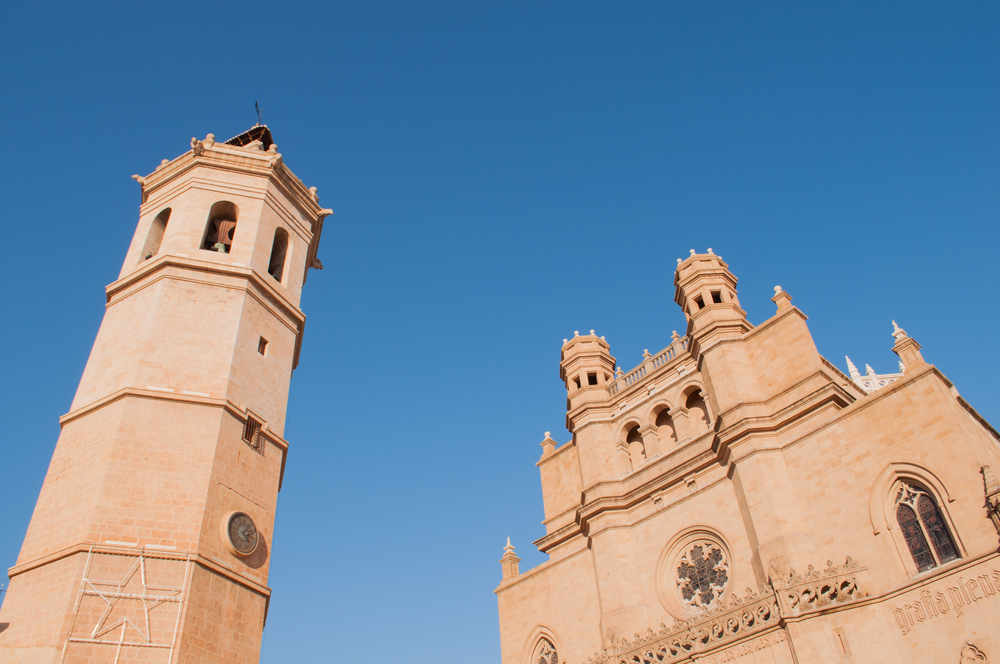
Climate and weather in Castellón
Seasons
The climate of Castellón de la Plana is typically Mediterranean, with mild winters and long sunny summers. The city lies close to the Mediterranean Sea, which gives it favourable weather almost all year round. There are about 300 sunny days a year and more than 2,500 hours of sunshine, making the city attractive for tourists as well as for living and investment.
Average summer temperatures range from +28 °C to +32 °C, while in winter they rarely fall below +10 °C. This means you can holiday in Castellón practically at any time of year, especially if you are looking for a comfortable alternative to hotter resorts.
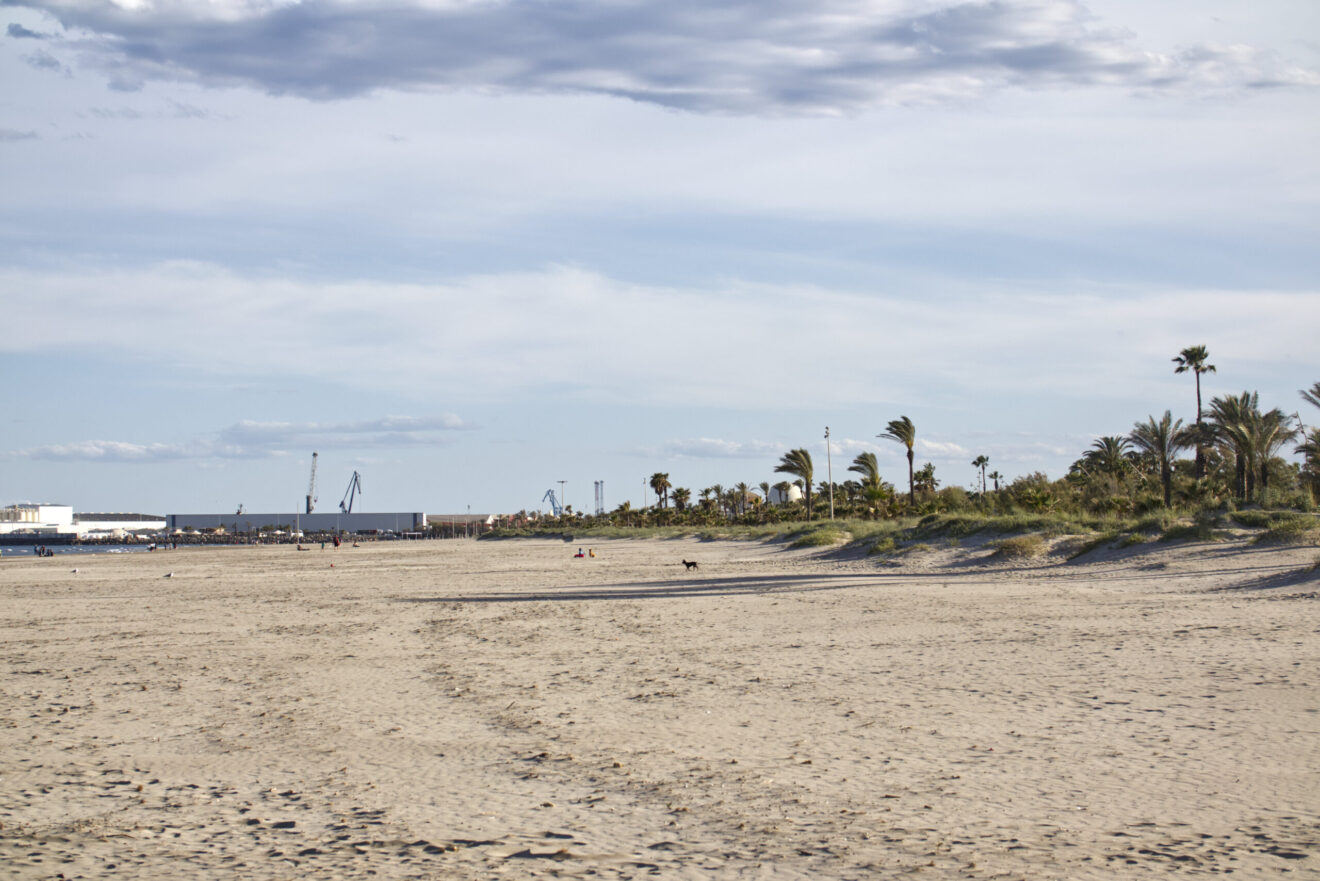
These conditions are ideal for walks around the historic centre, trips to the Costa del Azahar and water sports on El Pinar beach and other golden beaches near the city.
When to visit
The best time to visit Castellón de la Plana depends on the purpose of your trip. For a beach holiday and boat trips, May to October is ideal, when the water reaches a comfortable +23–26 °C. During this period the Costa del Azahar is especially lively, and the city beaches offer clean, Blue Flag waters.
If you are planning a sightseeing or food trip, March, April, October and November are best — there are fewer tourists, temperatures are moderate and conditions are ideal for seeing the sights of Castellón, visiting the fine arts museums and the Basilica of the Virgin of Lledó and strolling around the Plaza Mayor.
Outside the peak season the city also has a busy cultural life. One of the key events of the year is the Magdalena festival, held in March, which draws thousands of visitors with its processions, fireworks and food fairs.
How to get to Castellón de la Plana
From Madrid, Barcelona and Valencia
Castellón de la Plana is conveniently located between the country’s two largest cities, Barcelona and Madrid, and just 70 km from the city of Valencia, capital of the Valencian Community. This location makes it a great option for short trips and weekend breaks.
From Madrid you can reach Castellón on the high-speed AVE train in just 2 hours 30 minutes. From Barcelona it is even quicker, about 2 hours. From Valencia the journey takes only an hour, by train or by car. There are also intercity buses and daily services with convenient timetables.
Because Castellón is the provincial capital, the region’s main roads lead here, including the AP-7 motorway linking all the towns of the Costa del Azahar.

Trains, buses and planes
Castellón has well-developed transport infrastructure. The railway station is in the city centre and serves both local and long-distance routes. Rail connections with Madrid, Valencia, Barcelona and Alicante make getting around quick and convenient.
The city also has a bus station with daily departures to neighbouring towns and villages. Public transport consists of buses and trolleybuses, including convenient city routes and suburban services.
Not far from the city is Castellón–Costa Azahar Airport, which handles both domestic and international flights. Since 2008 there have been regular flights from Europe, especially in the summer season. Flights are also available via Valencia Airport, an hour’s drive from the city.
Car hire and parking
If you plan to explore the Costa del Azahar or travel around the Valencia region, hiring a car is an excellent choice. All the major rental companies and local agencies operate in Castellón. Rental prices are reasonable, especially outside the peak season.
The city has many road junctions, and street navigation is well organised. The city centre has pedestrian zones, but in many districts it is easy to find parking, both free and paid. There are also underground car parks and open car parks near the provincial centre, which are especially convenient if you are staying at one of Castellón’s hotels.
Beaches in Castellón
The best city beaches
Castellón de la Plana boasts some of the calmest and cleanest beaches on the Mediterranean coast. The city is only a few kilometres from the sea, and its coastal district, El Grao de Castellón, is a real resort corner where most of the beaches are.
The most popular beach is Playa del Pinar. It is a spacious sandy beach with a wide shoreline, ideal for family holidays. It is next to the Ribalta city park and the planetarium, so it is easy to combine the beach with walks and excursions.
The Serradal and Gurugú beaches are also worth a look — they stretch along the Costa del Azahar and are considered less crowded. These beaches regularly receive Blue Flags for water quality, facilities and safety.
Things to do by the sea
Castellón’s beaches are not just for sunbathing and swimming. You can keep active here with water sports, beach volleyball, kayaking or paddleboarding. Along the seafront there are cycle paths, cafés, restaurants serving local dishes and cosy bars with sea views — the perfect place to enjoy the sunset.
In season, the Playa del Pinar area hosts free yoga classes, morning exercise sessions and various festivals and fairs. This makes the beach not just a place to relax but a popular venue for cultural and sporting activities for all ages.
Safety and facilities
The city beaches are regularly patrolled, and in the high season there are lifeguard and first-aid posts. The city beaches have showers, changing cabins, children’s areas and sunshades. Most areas are accessible to people with reduced mobility.
Information boards along the beaches show water temperature, wind speed and wave height. Environmental standards are observed throughout, as confirmed by annual quality certificates.
For a comfortable day at the beach, bring sunscreen, a hat and plenty of water — Castellón has about 300 days of sunshine a year, and summer temperatures often exceed +30 °C.
History and cultural heritage
From its founding to the present day
Castellón de la Plana has deep historical roots going back to the 13th century. The city was founded in 1252 by decree of King James I of Aragon, who allowed the inhabitants to move from the hilltop fortress of Castell Vell to more fertile, level ground — the Plana (hence the city’s name), which means “plain” in Valencian. The resettlement had already begun in 1251, and the first mentions of a town council date from 1233.
The decision taken in 1437 to establish Castellón’s administrative structure was a turning point in the region’s development: from then on the city had official status, and its infrastructure began to take shape. In the Middle Ages, especially in 1366 and 1440, the city walls were strengthened and the first churches were built.
In 1716 the Basilica of the Virgin of Lledó, the city’s heavenly patroness, was opened and became one of Castellón’s spiritual symbols. Later, in 1793, construction began on the iconic El Fadrí tower, completed in 1796 — it remains the city’s architectural landmark to this day. The restoration of such buildings and urban development keep demand for specialists in the region steady — how to get a degree recognised and enter the local market is described in the article on working as an architect in Spain.
In different historical periods Castellón was affected by the Carlist Wars, the Civil War and major economic changes in the 19th and 20th centuries. 1936 was especially hard: during the civil conflict many historic buildings were destroyed, including the Cathedral of Santa María. However, it was rebuilt and reopened in 2008.
Today the city blends architectural monuments of past centuries, modernist buildings and cultural, scientific and educational institutions. All this makes Castellón de la Plana a real centre of historical heritage on the Costa del Azahar and a point of attraction for tourists, researchers and anyone interested in the history of the Valencian Community.
Historical milestones (key facts)
- 1252 — the city is officially founded;
- 1716 — the Basilica of Our Lady of Lledó opens;
- 1793–1796 — the El Fadrí tower is built;
- 1833 — Castellón becomes part of Spain’s new administrative system;
- 1922 — an architectural boom, including the central market designed by Francisco Maristany;
- 1936 — destruction during the Civil War;
- 1991 — the Planetarium and Jaume I University open;
- 2008 — the Cathedral of Santa María is reconsecrated;
- 2018 — a major renovation of the city library.
The Middle Ages and architecture
The medieval town grew from small fortifications that later became part of the city’s quarters. Surviving fragments of the city walls, the narrow streets of the old town and ensembles of religious buildings create a special atmosphere in which the architecture reflects different eras, from Gothic to Classicism and Modernisme.
The Co-Cathedral of Santa María (Concatedral de Santa María) and the Santa María church ensemble are the city’s key religious monuments and have been rebuilt several times: the original building was destroyed in 1936 during the Civil War, and the new church opened in 2008 and was designated a minor basilica.
Nearby stands the iconic El Fadrí tower, built in the 18th century — the symbol of Castellón, about 60 metres tall. This bell tower, standing apart from the cathedral, is a unique example of Valencian Gothic.
Historic monuments
Among the main sights of Castellón are:
- Plaza Mayor — the main square of the city, home to its most important buildings: the town hall, the Cathedral of Santa María, the El Fadrí tower and the Cáñamo market;
- The Basilica of the Virgin of Lledó — the church of the city’s patroness on the outskirts, surrounded by orange trees. It has been a place of pilgrimage and religious tradition since 1716;
- The post office building, the old casino and the bishop’s palace — examples of last century’s architecture in the Modernista and Classical styles;
- The Castellón Museum of Fine Arts and the Contemporary Art Centre — major scientific, educational and cultural centres open to tourists and students.
Thanks to its well-preserved architectural ensembles, the historic centre of Castellón can safely be called one of the most interesting places in the city, ideal for walking and exploring its cultural heritage.
Sights and museums
The Cathedral of Santa María was rebuilt after the damage it suffered during the Civil War in 1936. The current building opened in 2008, and services and concerts have been held there regularly ever since. The El Fadrí tower still rises 60 metres above sea level, recalling the time when it served as both a bell tower and a watchtower. The square with the bell tower is one of the most photogenic spots in the city.
The Museum of Fine Arts opened in 2001, and its design was by the architect Francisco Maristany. He also took part in the reconstruction of a number of buildings in 1922, including the central market, built in the Modernista style (built in 1922). The museum project itself was completed in 1991 — it opened in 1991 as one of the first in a new wave of museums in the Valencian Community.
The Cathedral of Santa María
The Co-Cathedral of Santa María (Concatedral de Santa María) is the architectural centrepiece of the Plaza Mayor in the centre of Castellón. Originally built in the Gothic style in the 13th century, the cathedral was destroyed several times, including its complete demolition in 1936 during the Civil War. The current building reopened in 2008 and has since been considered one of the most important places in the city, both architecturally and religiously.
The church was built with funds from the Bishop of Castellón and is now designated a minor basilica. Its interior combines modern and classical design. It hosts church services, organ concerts and religious festivities, especially on the day of the city’s patroness, the Virgin of Lledó.
The El Fadrí tower
Standing apart from the cathedral, the El Fadrí tower is one of the most recognisable buildings and the symbol of Castellón. This octagonal bell tower was built in the 18th century and reaches about 60 metres above sea level. The tower is a classic example of Valencian Gothic and originally served as both a defensive structure and a bell tower.
From the top platform you can enjoy a panorama of the central squares, the old town, Ribalta park and the Costa del Azahar. Exhibitions, temporary displays and cultural events are regularly held inside the tower.
The Museum of Fine Arts
The Castellón Museum of Fine Arts (Museu de Belles Arts de Castelló) is one of the leading scientific and educational centres in the region. Located near the centre, it is a modern building designed by Francisco Maristany and opened in 2001. The museum plays an active part in the cultural life of the city and the region.
Its displays cover archaeology, painting, sculpture and decorative arts. The collection includes both works by local artists and pieces reflecting the historical and cultural heritage of the province of Castellón. The museum also hosts temporary exhibitions, educational programmes and festivals.
The planetarium and science centres
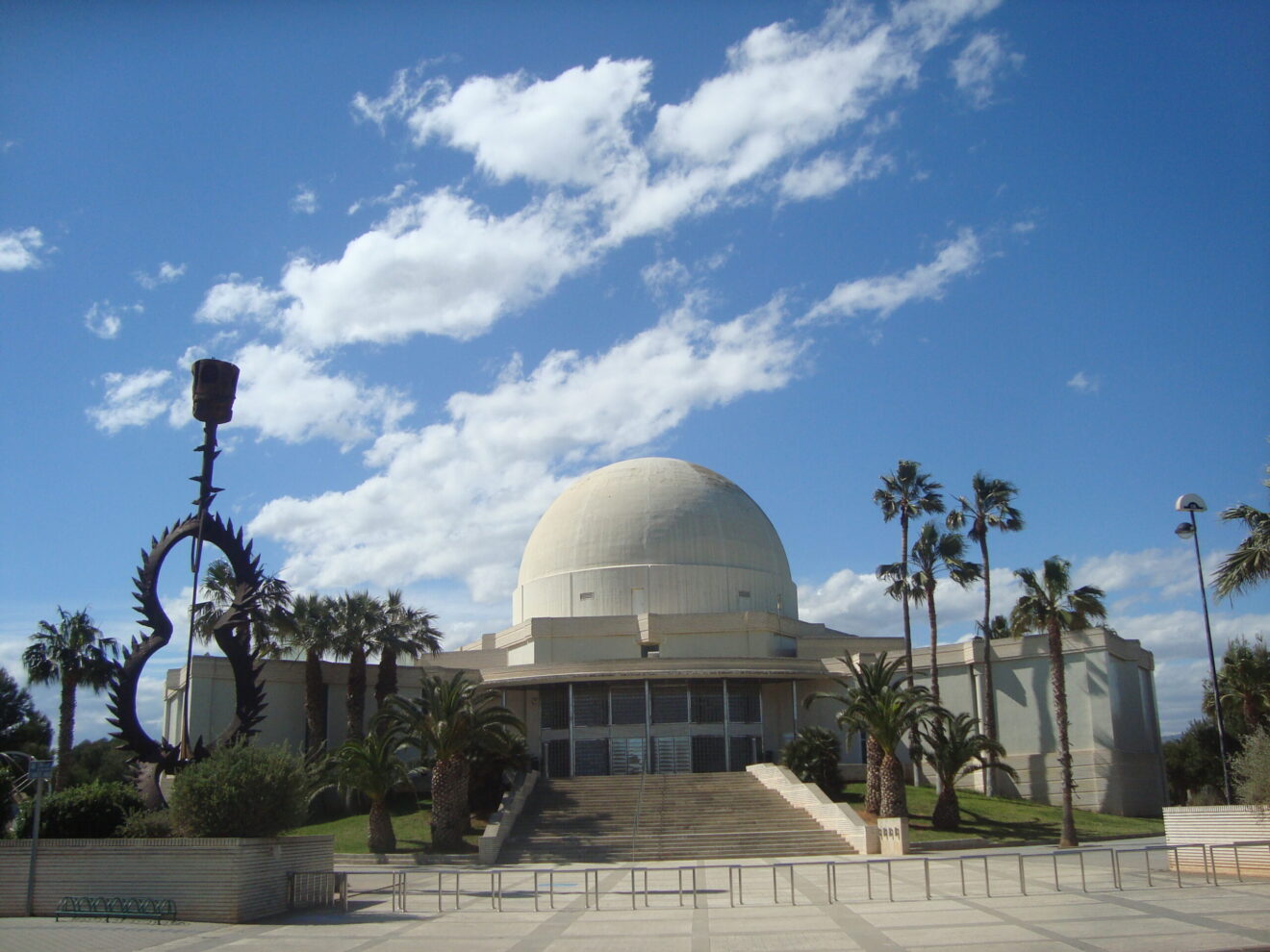
The Castellón Planetarium opened in 1991, becoming the first institution of its kind on the Costa del Azahar. It plays an important role among the city’s scientific and educational centres, hosting lectures, exhibitions and stargazing sessions every year. The building was under construction from 1983, and the main equipment arrived in 1983 from institutes in Barcelona.
One of Castellón’s distinctive features is its Planetarium on the coast, in El Grao de Castellón next to Pinar beach. It is not only a tourist attraction but also a scientific and educational centre that regularly holds lectures, astronomical observations and children’s programmes.
The planetarium has been operating since 1991 and has become an important place for learning, especially in the natural sciences. It has a modern projection hall and an interactive area where you can learn about the Solar System, satellites, comets and other space phenomena.
Combined with the sea views, the Castellón Planetarium offers a unique experience that brings together leisure, science and culture, which particularly appeals to families with children and school groups.
The port of Castellón and boat trips
The port of Castellón: the heart of the economy and tourism
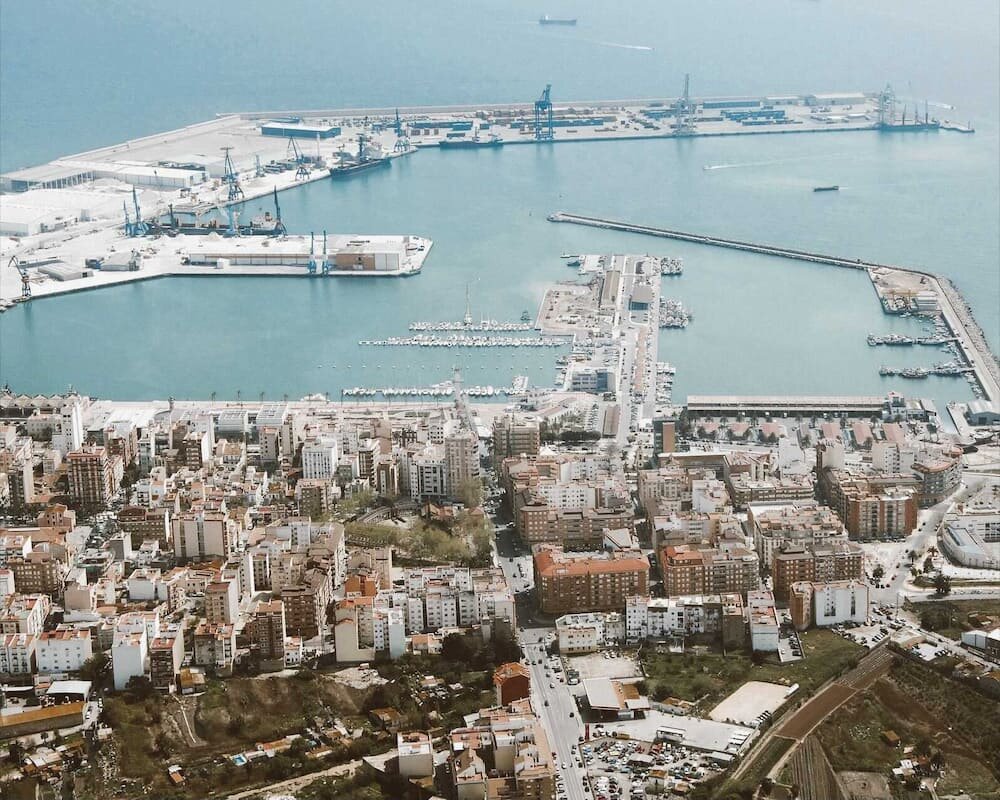
The seaport of Castellón (PortCastelló) is located in the coastal area of El Grao de Castellón and plays a key role in the region’s economy. It is one of the fastest-growing ports in eastern Spain and an important logistics hub between Europe, North Africa and Latin America.
The city owes its growth to the port not only through cargo but also through tourism infrastructure. Next to the port you will find:
- a yacht club and marina;
- a passenger terminal for cruise ships;
- a promenade with cafés, restaurants and shops.
This makes PortCastelló attractive to both investors and tourists, especially in summer, when boat tours depart from here along the Costa del Azahar and to the islands.
The Columbretes Islands: a unique marine reserve
One of the most interesting trips to consider on a holiday in Castellón is the Columbretes Islands (Islas Columbretes). This volcanic archipelago lies about 50 kilometres off the Costa del Azahar and can be reached by boat or excursion yacht from the port of Castellón.
The islands are part of a marine nature reserve and are famous for their:
- crystal-clear water,
- rare flora and fauna,
- diving and snorkelling opportunities,
- walking trails with views of the open sea.
One of the most popular islands is Illa Grossa, home to an old lighthouse and several viewpoints. Excursions to the Columbretes include a boat trip, a guide, snorkelling equipment and often a light lunch.
A trip to the islands is an ideal way to vary a beach or city holiday, especially if you are new to Castellón and want to discover the hidden gems of the Costa Azahar.
Nature and the surrounding area
Nature parks and reserves
Castellón de la Plana is surrounded by picturesque natural areas with rich biodiversity. One of the best known is the Desierto de las Palmas Natural Park, just a few kilometres from the provincial capital. It is a protected area with unique flora and fauna and the historic ruins of a Carmelite monastery.
Many trails and viewpoints here offer panoramic views of the Costa del Azahar and the city of Castellón. Thanks to the favourable climate, the park can be visited all year round. It is especially popular with photographers, birdwatchers and anyone who wants to enjoy the natural beauty of the region.
Ribalta park also deserves a mention — a real urban oasis right in the centre. It is a great place to relax, walk and admire the architecture and the classically landscaped greenery.
Walking routes and excursions
For those who prefer an active holiday, the area around Castellón offers a variety of walking routes, from easy strolls along the Orange Blossom Coast to treks over hills and viewpoints. The Planetarium, Fadrell castle and the monastery in the Desierto de las Palmas can all be visited on day trips.
Many routes pass through orange groves, old settlements and historic sites, and at the end you will often find local restaurants serving regional dishes. There are both self-guided walks and organised excursions, including weekend tours.
Routes towards El Grao de Castellón are especially popular, as you can combine a walk with a visit to the beaches, the port area and the Planetarium.
Hidden gems near the city
Within a 30–60 minute drive of Castellón there are many hidden gems that guidebooks rarely mention. For example:
- Benicàssim — a resort town with golden beaches and a festival atmosphere. It hosts major music events, including FIB and Rototom.
- Montanejos — a mountain village about an hour inland, where people go for the turquoise Mijares river and the thermal springs with water at around 25 °C all year round.
- Oropesa del Mar — a cosy seaside village with an old castle and a promenade.
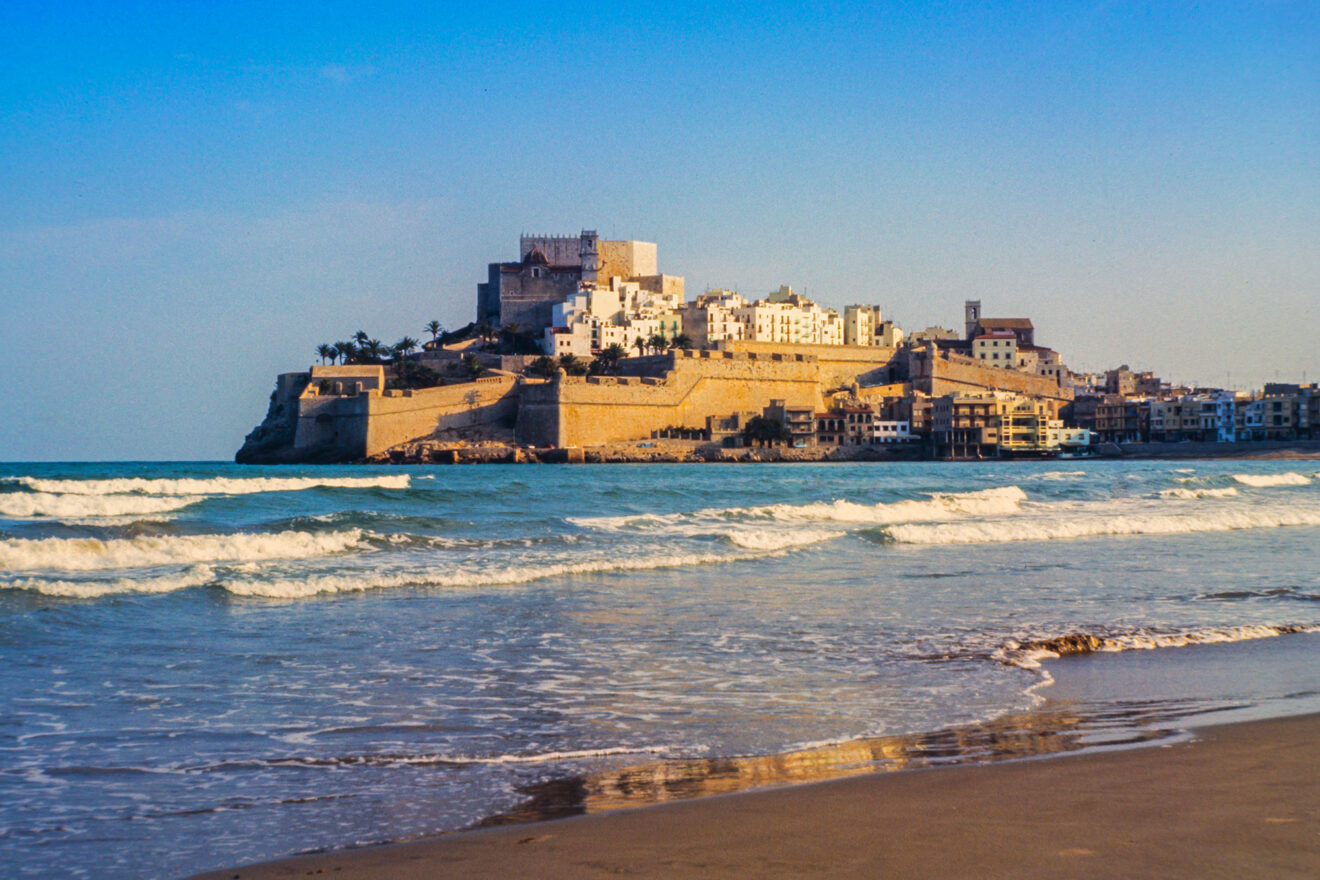
- Peñíscola — famous for its castle, where “Game of Thrones” was filmed. This medieval town on a rock is one of the most picturesque places on the Costa del Azahar.
- Fadrell castle — the ruins of an old fortress on high ground west of the city, with breathtaking views.
These places suit those who want to discover routes off the tourist trail, enjoy the quiet and immerse themselves in the nature and history of the Valencia region.
Food and cuisine in Castellón
Traditional dishes
Castellón de la Plana, like the whole Valencian Community, is famous for its vibrant and distinctive cuisine. It is based on fresh seafood, rice, vegetables and olive oil. One of the region’s signature dishes is arroz a banda — rice cooked in fish stock, often with squid or prawns.
Also popular:
- Valencian paella — with chicken and rabbit;
- Espárragos trigueros — wild green asparagus with egg;
- Olleta de muntanya — a stew of meat with beans and greens;
- A variety of tapas and dishes made with seasonal vegetables grown on the region’s fertile land.
Don’t forget to try desserts made with almonds, oranges and local honey — they round off a hearty dinner after a walk around the old town perfectly.
Restaurants, cafés and markets
Castellón’s food scene ranges from authentic family-run places to modern fine-dining restaurants. In the city centre, especially around the Plaza Mayor and the streets leading to the Cathedral of Santa María, there are many restaurants and cafés serving the best of the local cuisine.
One of the city’s key food destinations is the Castellón central market. Here you can buy fresh seafood, meat, fruit, cheese and delicacies typical of the Costa del Azahar. The market also sells produce from local producers, including wine, olive oil and spices.
Recommended places:
- La Llanda — charcoal-grilled food, seasonal produce;
- Restaurante Tasca del Puerto — fresh fish and seafood;
- Racó de la Plaça — tapas and wines from Castellón;
- Mercat Central — gastrobars with local food right inside the market.
Where to try the best paella
Paella is the undisputed symbol of the region, and in Castellón de la Plana it is made in many variations. Real, classic Valencian paella is best tried in places a little off the tourist routes — there it is cooked “home-style”, over an open fire and with local produce.
Where to order paella:
- El Pairal — a restaurant with a traditional approach and a menu based on regional produce;
- Restaurante Mediterráneo — popular with locals, especially on Sundays;
- Tasca del Puerto — the seafood paella is especially good;
- Hotel del Golf Playa — serves paella with a view of Pinar beach, which makes lunch especially pleasant.
For the full experience, we recommend ordering paella for two with a glass of local white wine — the perfect lunch after a tour of Castellón’s historic centre.
Festivals, fiestas and events
The Fallas festival
Although the Fallas festival is traditionally associated with Valencia, it is also celebrated on a grand scale in Castellón de la Plana. This colourful March event, with parades, fireworks, street installations and traditional costumes, reflects the region’s unique culture.
Papier-mâché figures (ninots) fill the central squares, including the Plaza Mayor, and at the end of the festival they are burned to music and applause. The whole event is accompanied by food fairs where you can try local dishes and wine from nearby towns and villages.
Summer fairs and parades
In summer Castellón hosts many fairs and parades, both in the historic centre and in the coastal area of El Grao de Castellón. The Magdalena festival stands out in particular — the city’s main fiesta, commemorating the town’s move from the hill to the plain in 1252. It lasts a whole week and includes folk processions, concerts, exhibitions and craft festivals.
At this time the city streets turn into a vivid theatre stage: women in traditional dresses, fireworks over the El Fadrí tower, music, dancing and festive food. It is one of the most important periods in the city’s cultural life and attracts thousands of tourists every year.
Tips for visitors during events
If you are planning a trip during major events in Castellón, keep a few things in mind:
- Book hotels in advance. During the Magdalena and Fallas, hotel occupancy is very high, especially in areas close to the historic centre and the Plaza Mayor.
- Use public transport. During the festivals car traffic is restricted, and although the city has many road junctions, they get congested. Trolleybuses and buses run to a special timetable until late in the evening.
- Wear comfortable shoes and sunscreen — you will be walking a lot, especially if you plan to watch the processions or take part in street events.
- Check the events programme on the city council’s website or at tourist information points — the schedule often changes depending on the weather.
Taking part in these events is not just entertainment but a way to immerse yourself more deeply in Castellón’s culture and way of life, feel the city’s energy and discover another side of the Valencian Community.
Universities and education in Castellón
Castellón de la Plana is not only a historic and tourist centre but also an educational hub of the Valencia region, home to one of the leading universities in eastern Spain — Jaume I University (Universitat Jaume I, UJI).
Jaume I University (UJI)
Jaume I University (UJI) is Castellón’s key scientific and educational centre and one of the most respected universities in eastern Spain. It was founded in 1991, although the concept began to take shape as early as 1983 as part of a national strategy to decentralise higher education.
The university campus occupies a modern site in the north of the city and continues to expand: an engineering faculty was built in 2010, and a new university library opened in 2011. Today the university has more than 15,000 students, including many international students from Europe, Latin America and Asia.
UJI offers programmes in:
- applied and technical sciences,
- economics and management,
- law,
- translation and linguistics,
- social sciences and humanities.
The university’s strengths:
- Modern laboratories, libraries, sports and research centres;
- A multilingual environment: classes are taught in Spanish, Valencian and English;
- Partnerships with leading companies and industrial clusters in the region;
- Exchange programmes with universities around the world.
Thanks to its academic standing and infrastructure, Jaume I University has strengthened Castellón’s status as a city of science and education and has increased interest in renting property in areas near the campus. This makes Castellón attractive not only to students but also to lecturers, researchers and digital nomads.
Other educational opportunities
Besides Jaume I University, the city has:
- Research institutes and centres in medicine, chemistry, ecology and IT;
- Private colleges, language schools and technical academies;
- Further education centres and evening courses.
Education is one of the factors that makes Castellón not just a resort but a fully fledged city for living and studying. For parents there are good schools, including bilingual ones, which is convenient for families planning to move. Castellón is not the only option of this kind — neighbouring cities and other regions are brought together in a relocation map.
Property in Castellón
Castellón de la Plana is one of the cities in the Valencian Community where property prices remain relatively affordable compared with Valencia, Barcelona and Alicante. This makes the city attractive both for relocation and for long-term investment.
In popular areas such as the city centre, El Grao (by the sea) and residential neighbourhoods on the outskirts, you can find:
- resale flats — from €1,200 per m²;
- new builds — from €1,500 per m²;
- villas or townhouses — from €180,000.
Prices in the Plana Alta area, especially closer to the Costa del Azahar, are higher, but this is offset by proximity to beaches, parks, schools and amenities. This is also where the best hotels in Castellón, areas with orange groves and comfortable places to live are found. To search for property in Castellón it is convenient to use local portals and rental services, including Idealista, Fotocasa and local agencies.
Investment and renting
Interest in property in Castellón is growing, especially among investors looking for low prices with high growth potential. Thanks to the development of tourism and crafts and university and industrial activity, demand for rental housing is consistently high.
Rental options:
- a one-room flat in the centre — from €500/month;
- a two-room flat on the coast — from €650/month;
- short-term summer lets — from €60/night (depending on the season).
Areas suitable for renting: Plana Castell, Grao de Castellón and residential neighbourhoods along streets lined with orange trees. These are excellent options for tourists, remote workers and students alike.
In addition, the city has many road junctions and access to public transport, which simplifies logistics for tenants and makes the offers especially attractive.
Buying as a foreigner
Buying property in Spain as a foreign national is a clear and transparent process. In Castellón it is no different from other regions of the country. The full sequence of the purchase, from the deposit to registering ownership, is covered in the guide on how to buy a house in Spain. Foreigners will need to:
- obtain an NIE number (foreigner identification number),
- open a bank account in Spain,
- sign the purchase contract before a notary.
Pay particular attention to:
- checking that the property has clear legal title,
- any outstanding utility debts,
- the status of the land (especially when buying houses with plots outside the city).
It is also worth bearing in mind that buying property worth €500,000 or more could qualify you for a golden visa — a Spanish residence permit.
The city has scientific and educational centres, good healthcare, a warm climate and a clean environment — all of which makes Castellón de la Plana a suitable place for relocation, living and property investment.
Districts of Castellón: where to live and stay
Castellón de la Plana is divided into several key districts, each with its own character, level of comfort and amenities.
Centre (Centro Histórico)
The historic heart of the city. This is where the main sights, museums, markets and administrative buildings are. It suits those who want to be in the thick of things. There are many cafés, apartments and hotels.
El Grao de Castellón (El Grao)
The seaside district. Here you will find the port, the beaches, the Planetarium, seafood restaurants and tourist infrastructure. An excellent place for a holiday and for renting in summer.
Plana Alta
A residential district north of the centre. Quiet, with green spaces, parks and schools. Popular with families and those who work on the university campus.
Northern districts (Zona Norte)
A developing area where new residential complexes are being built. Well suited to long-term renting and buying property.
University area (UJI and surroundings)
A lively district with a young atmosphere, cafés, libraries and halls of residence. Popular with students, digital nomads and lecturers.
Practical information for relocation
If you are considering moving to Castellón, it is important to know the basics of settling in.
Documents and residence permits
The city is part of the Valencian Community, so the same rules apply here: NIE, bank account, rental contract, empadronamiento (municipal registration). All administrative procedures can be completed at the immigration offices in the city centre.
Healthcare and insurance
There are public health centres (Centro de Salud) and private clinics. For foreigners it is important to take out health insurance — many companies offer plans from €40 a month.
Language
Spanish and Valencian are used in everyday life. English is common in tourism and at universities. For daily life and integration it is useful to learn some basic phrases.
Schools and nurseries
Both state and private schools are available. There are bilingual schools, including English and French ones. The best institutions are in El Grao and Plana Alta.
Castellón for digital nomads and remote workers
Castellón is increasingly chosen by people who work remotely, thanks to:
-
stable internet and well-developed IT infrastructure;
-
moderate rents;
-
cafés with Wi-Fi, coworking spaces and quiet parks to work in;
-
closeness to the sea and the chance to unwind on the beach after work.
Popular places to work: cafés near the Plaza Mayor, the UJI library, Spaces Castellón coworking, and cosy spots near Planeta Azul and El Grao.
Castellón compared with Valencia and Alicante
A detailed portrait of the nearest big city is in our overview of Valencia, and where both cities stand among twenty others on rents and incomes is in the ranking of Spanish cities. Of the neighbouring coastal towns, we have also covered Calpe and Elche.
| Parameter | Castellón | Valencia | Alicante |
|---|---|---|---|
| Population | ~180,000 | ~800,000 | ~330,000 |
| Housing prices | Lower | Average | Average to high |
| Tourist activity | Moderate | Very high | High |
| Distance to the sea | 4 km | In the city | In the city |
| University | UJI | UV, UPV | UA |
| Noise and traffic | Low | High | Moderate |
| Suitable for relocation | Yes | Yes, but pricier | Yes, especially for older people |
Conclusion: Castellón is the best choice for those looking for moderate prices, peace and quiet, closeness to nature and the chance to combine work and leisure without crowds of tourists.
What to do in Castellón: tips for visitors
What to see in one day
If you only have one day in Castellón de la Plana, focus on the historic centre. Start at the Plaza Mayor, the main square, surrounded by the town hall, the Cathedral of Santa María and the El Fadrí tower. This architectural ensemble is the city’s hallmark and one of its main symbols.
Then stroll through the streets of the old town, where you can feel the spirit of the medieval city, admire Modernista buildings, look into the central market and have a coffee in one of the local cafés.
After lunch, head towards the Planetarium by Pinar beach. On the way you will see Ribalta park, walk past orange trees and enjoy the natural beauty against the backdrop of the sea.
The best routes
Castellón offers many walking options that can be tailored to your interests and time. Here are a few popular routes:
- Cultural route through the city centre: Plaza Mayor → Concatedral de Santa María → El Fadrí → Cáñamo market → Museum of Fine Arts.
- History and nature route: Old town → Ribalta park → Enric Jiménez street → El Grao de Castellón → Playa del Pinar → Planetarium.
- Day trip out of town: a route towards Fadrell castle or a trip to Benicàssim, Oropesa del Mar or Peñíscola.
For all routes, use a map of Castellón, available at tourist information centres or on the city’s official website. With so many natural and cultural locations, you can create your own route — from a morning walk around the historic centre to an evening dinner on Pinar beach.
What to do with children
Castellón de la Plana is a great city for a family holiday. With its relaxed pace of life, cleanliness, parks and beaches, it is ideal for travelling with children.
What families will especially enjoy:
- The Planetarium in El Grao — interactive exhibits, star shows and educational programmes.
- Ribalta city park — a green space with rides and picnic areas.
- Pinar beach — with a gentle slope into the sea, playgrounds and cafés right on the shore.
- Festivals and fairs — many include activities for children: puppet shows, workshops and entertainment shows.
The city also has scientific and educational centres and children’s museums, and during the summer festivals entertainment is often organised in the central squares and on the seafront.
Shops, markets and shopping centres
Castellón de la Plana offers good shopping, from traditional markets to large shopping centres where you can find everything from fresh food to designer clothing and homeware.
One of the most atmospheric places is the Castellón central market (Mercado Central de Castellón), right in the historic centre next to the Plaza Mayor and the Santa María church ensemble. Locals buy fresh vegetables, fruit, seafood and folk crafts here. It is the ideal place to get a feel for local culture, try fresh produce and watch the life of the city and municipality.
For more familiar shopping, try these shopping centres:
- Centro Comercial Salera — the largest shopping mall in Castellón, with international clothing, footwear and cosmetics brands, as well as supermarkets, a cinema and a food court.
- La Salera Parque Comercial — a complex of furniture and household stores, conveniently located at a road junction, making it accessible to residents and visitors alike.
- El Corte Inglés Castellón — a department store with mid-range and premium goods, from clothing to electronics and gourmet food.
In addition, every week weekend markets are held in different parts of the city, selling local delicacies, handmade goods, antiques and souvenirs.
Shopping in Castellón is not only practical but also a chance to discover the culture of the Valencia region by chatting with vendors, tasting dishes made from fresh produce and finding hidden gems among the shops of the old town.
City map and useful services
Pharmacies, police and banks
When travelling to Castellón de la Plana, it helps to know where the main city services are and how to contact them. The city has an extensive network of pharmacies, some with standard hours and some open 24 hours — especially in the city centre and El Grao de Castellón. Information on duty pharmacies can be found on the city council’s official website or obtained from hotel staff.
The police and emergency services work reliably. If necessary, you can contact the National Police or the Castellón Local Police, which have stations in the centre and the suburbs. The emergency number is 112 (the same throughout Spain).
Banks include major Spanish and European networks: CaixaBank, Banco Santander, BBVA and others. There are cash machines on practically every street, especially near the central squares, shopping centres and tourist areas. The city also has currency exchange offices and international money transfer branches.
Online maps and apps
For easy navigation around the city you can use the official online map of Castellón, available on the city council’s website or in tourist apps. It shows sights, public transport stops, parking zones and the location of useful services.
Recommended apps:
- Google Maps — ideal for planning walking and driving routes around the city.
- Moovit — recommended for tracking bus and trolleybus timetables in real time.
- Civis Castellón — a local app for checking city transport, finding the nearest stops and receiving alerts about timetable changes.
- TripAdvisor or Komoot — help you choose the best routes and hidden gems near the city.
If you hire a car, most navigation systems (including in rental cars) already include up-to-date maps of Castellón and the Costa del Azahar coastal area, including road junctions and parking zones.
Interesting facts about Castellón
The name “Castellón de la Plana” translates as “Castle on the Plain” — from castell (castle) and plana (plain). It refers to the historical move of the inhabitants from the mountain fortress to the lowland, which was more convenient for living.
The symbol of Castellón is the El Fadrí tower, standing apart from the cathedral. It is unique as one of the few examples of octagonal free-standing bell towers in Spain.
The Plaza Mayor is the central point of the city, where the main festivals, fairs and performances take place. Around it stand the most important buildings: the Cathedral of Santa María, the town hall, the Cáñamo market and the post office building.
Castellón introduced Spain’s first municipal trolleybus, which began running in 2008. Today public transport consists of buses and trolleybuses, giving the city excellent connectivity.
One of the symbols of Castellón’s industrial identity is ceramics. The city is considered one of the world centres of ceramic tile production, and products from local factories feature in architecture, design and interiors across Europe.
The Basilica of the Virgin of Lledó, on the outskirts, is the most important religious site in the region. It is designated a minor basilica and was built on the spot where, according to legend, an image of the Virgin Mary — the city’s patroness — was found.
The city has one of the most modern planetariums in the country, right on the Costa del Azahar next to Pinar beach.
The Castellón central market, built at the beginning of the 20th century, is still considered the heart of the city’s food scene. Here you can find fresh produce, traditional dishes and folk crafts.
Ribalta city park is one of the oldest in Valencia, laid out in the classical style and considered the green “lungs” of the city. It opened back in the 19th century.
Castellón de la Plana is just a 30-minute drive from Benicàssim, known for its festivals and sandy beaches, and from Peñíscola, one of the most beautiful medieval towns in Spain.
With 300 days of sunshine a year, the city is ideal both for tourism and for living by the sea at any time of year.
Where to stay: districts and hotels
The centre, the coast and the suburbs
Castellón de la Plana offers a wide range of accommodation, from cosy apartments in the old town to modern hotels on the Costa del Azahar. The choice of area depends on the purpose of your trip: sightseeing, a beach holiday or a business trip.
- The city centre is an excellent choice for those who want to be close to the main sights: the Plaza Mayor, the Cathedral of Santa María, the Museum of Fine Arts and the central market. It is easy to get around on foot and by public transport.
- El Grao de Castellón is the coastal district by Pinar beach. It is ideal for a seaside holiday, especially in summer. The Planetarium and many restaurants with coastal views are also here.
- Suburbs and residential areas such as Plana Alta suit those looking for a quieter and more spacious setting. These areas are well connected with the centre and have access to supermarkets, schools and green spaces.
Budget and premium options
The city has hotels to suit every taste and budget. Prices may vary with the season, but the lowest prices are from November to March, except on public holidays.
Budget hotels and apartments:
- Civis Luz Castellón — a comfortable hotel near the station;
- Eurohotel Castellón — good value for money near the business district;
- Hotel Castellón Center Affiliated by Meliá — a modern hotel within walking distance of the centre.
Premium and seaside hotels:
- Hotel del Golf Playa — by Pinar beach, ideal for a beach holiday;
- Hotel Intur Castellón — a four-star hotel in the city centre;
- RH Silene Hotel & Spa 4 Sup* — a resort hotel with coastal views, a spa and a restaurant.
The city also has flats and apartments to rent, especially in El Grao and on the upper floors of buildings with panoramic views. These suit both short and long stays.
Before booking, check the location on a map of Castellón, especially if you plan to walk a lot around the city or use public transport.
Visitor reviews and tips
Pros and cons
Castellón de la Plana increasingly appears in travellers’ reviews as an excellent place for holidays, slow tourism and living by the sea. Visitors point out many advantages, as well as some features worth knowing about in advance.
Pros:
- Moderate prices for accommodation, food and transport;
- No tourist bustle compared with Valencia and Barcelona;
- Wide sandy Blue Flag beaches, including Playa del Pinar;
- The natural beauty of the Costa del Azahar and nearby nature reserves;
- Well-organised public transport, including buses and trolleybuses;
- A cosy old town with many sights in a small area;
- Local cuisine and fresh produce at the markets;
- Safety and friendly locals.
Cons:
- Out of season (in winter) there is less going on, and some cafés and shops may be closed;
- English is not spoken everywhere, especially in the suburbs;
- In the hot summer months temperatures can exceed +35 °C, so sunscreen and a hat are essential;
- Not all hotels have their own parking, even though the city has many road junctions.
Travellers’ comments
Reviews on popular travel platforms such as TripAdvisor, Booking and Google Maps emphasise that Castellón de la Plana is a hidden gem of the Valencian Community that surprises visitors with its quality of life and level of service.
“This was my first visit to Castellón, and I didn’t expect it to be so clean, calm and pleasant. I really liked the Museum of Fine Arts and the walks around the Plaza Mayor!”
— Anastasia, a tourist from Russia
“We stayed in El Grao, near Pinar beach. Great air, few people, stunning sunsets. I recommend it for families with children.”
— Mikhail, traveller
“Good restaurants, especially in the centre. We tried arroz a banda and local wines. Everything was top-notch. The city is clean and safe.”
— Elena, food tourist
Many also recommend hiring a car to explore the nearby towns and villages — Peñíscola, Benicàssim, Oropesa del Mar — and make a real road trip along the Costa del Azahar.
Frequently asked questions
How much does a week’s holiday in Castellón de la Plana cost?
On average, a week’s holiday costs €500 to €900 per person (depending on the season, type of accommodation and meals). By staying in budget hotels or apartments and eating outside tourist areas, you can save considerably.
When is the best time to go to Castellón?
The best time to visit Castellón is May to June and September to October. Temperatures are comfortable, there are fewer tourists and accommodation prices are good. Summer (July–August) is the warmest season for a holiday on Pinar beach and by the sea.
Does Castellón have an airport?
Yes, Castellón–Costa Azahar Airport operates about 35 km from the centre. It is also convenient to travel via Valencia Airport, from which trains and buses run to Castellón.
How safe is the city for tourists?
Castellón de la Plana is considered a safe and calm city with a low level of street crime. Nevertheless, as anywhere, it is advisable to take standard precautions, especially in the evening in quiet areas.
Can I hire a car?
Yes. The city has many road junctions and offices of all the major rental companies. Hiring a car is the ideal solution for trips to the suburbs or along the Costa del Azahar.
Do locals speak English?
In tourist areas and hotels, yes. However, in small cafés, shops and markets Spanish and Valencian are more common. A few Spanish phrases will come in handy.
Where is it better to stay: in the centre or by the sea?
If you are interested in architecture, museums, markets and historical heritage, choose the city centre. Beach lovers will prefer El Grao de Castellón, near Playa del Pinar and the Planetarium.
Can I buy property in Castellón?
Yes. Foreigners can buy property freely. The city offers some of the lowest prices on the coast of the Valencian Community, especially in areas close to the coast and the provincial centre.
What else to see nearby: around Castellón
Benicàssim, Peñíscola, Segovia
Castellón de la Plana is well located, with towns and villages nearby that are ideal for short trips, especially by hire car.
- Benicàssim is one of the best-known resorts on the Costa del Azahar. It is famous for its golden beaches, pine forests and the international FIB music festival. The town is also popular with cyclists thanks to its scenic cycle routes along the coast.
- Peñíscola is a real medieval town on a rocky headland. Its seaside castle became a filming location for “Game of Thrones”. Narrow streets, old houses, viewpoints and excellent restaurants make Peñíscola a must-visit.
- Segovia, although a little further away, is a great destination for those planning a longer excursion. The city is famous for its Roman aqueduct, its fairy-tale Alcázar castle and its Gothic cathedral. It is one of the most important places of historical heritage in Spain.
The best day trips
If you are in Castellón de la Plana and want to discover routes off the tourist trail, consider the following destinations:
- Oropesa del Mar — a picturesque seaside town with a river mouth, an old castle and modern beaches. Great for family holidays and leisurely walks.
- Fadrell castle — on high ground near Castellón. It is an ideal spot for a short hike: the view from the top takes in both the city and the Costa del Azahar.
- The Desierto de las Palmas mountains — one of the most popular destinations for nature lovers and trekkers. On a clear day you can see the sea and the whole Plana de Castellón region.
- Coastal walking routes — link Castellón’s beaches, El Grao and neighbouring coastal villages. Along the way there are orange groves, old chapels and quiet coves.
- Weekend tours towards Valencia or the interior of the province of Castellón let you discover folk crafts, local food and authentic Spain without the tourist bustle.
All these destinations are well connected with the city by road and public transport. Use online maps of Castellón and the Valencia region to plan routes and draw up your own travel schedule.
- Castellón de la Plana: a complete guide to the city
- Climate and weather in Castellón
- How to get to Castellón de la Plana
- Beaches in Castellón
- History and cultural heritage
- Sights and museums
- The port of Castellón and boat trips
- Nature and the surrounding area
- Food and cuisine in Castellón
- Festivals, fiestas and events
- Universities and education in Castellón
- Property in Castellón
- Districts of Castellón: where to live and stay
- Practical information for relocation
- Castellón for digital nomads and remote workers
- Castellón compared with Valencia and Alicante
- What to do in Castellón: tips for visitors
- Shops, markets and shopping centres
- City map and useful services
- Interesting facts about Castellón
- Where to stay: districts and hotels
- Visitor reviews and tips
- Frequently asked questions
- What else to see nearby: around Castellón