Calpe (Calp) is one of the most picturesque towns on the Costa Blanca, in the province of Alicante, in the autonomous community of Valencia in eastern Spain. This distinctive resort town is ideal for a beach holiday, combining a rich history, modern amenities and the stunning natural beauty of the Mediterranean. The nearest large neighbour on the Costa Blanca, with the largest Russian-speaking community, is Torrevieja; further north, in the Valencian Community itself, are Valencia and Castellón.
Location and climate
Calpe (Calpe in Spanish, officially Calp in Valencian) lies in the province of Alicante, on the northern part of the Costa Blanca, in the Valencian Community. Calp is about 67 km north of Alicante airport and 120 km from Valencia. Other popular resort towns are close by: Benidorm (23 km to the south), Altea (10 km), Dénia (30 km to the north), Jávea and Moraira.

Calpe’s location on the map makes it very accessible for tourists. There are several ways to get here: direct Alsa buses run from Alicante international airport several times a day, taking about 1.5 hours. From Valencia the bus journey takes about 2.5–3 hours. Bus links with neighbouring coastal towns are also good.
Calpe is known for its mild Mediterranean climate with more than 300 sunny days a year. The average annual temperature is about 18–19°C. The weather is characterised by warm but not overly hot summers and mild winters. In the summer months (June–August) air temperatures reach 30–32°C, while in winter the temperature rarely drops below 15–16°C during the day and 6°C at night. In summer the sea reaches a comfortable 24–26°C, which makes the beach season especially pleasant. The climate is ideal for year-round living and outdoor activities.
The symbol of Calpe: the Peñón de Ifach
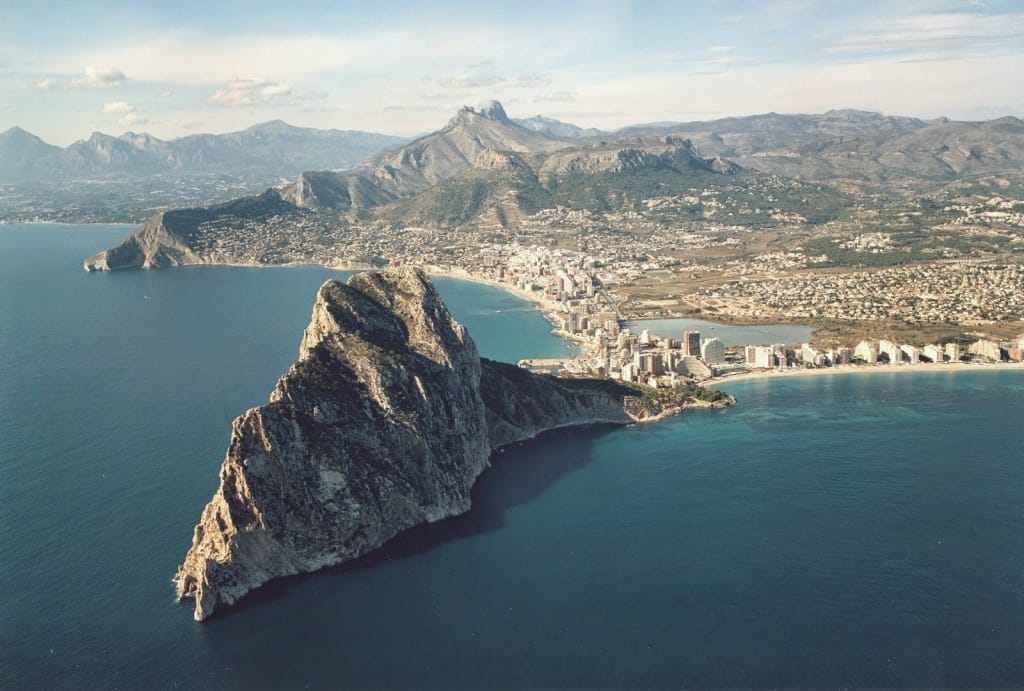
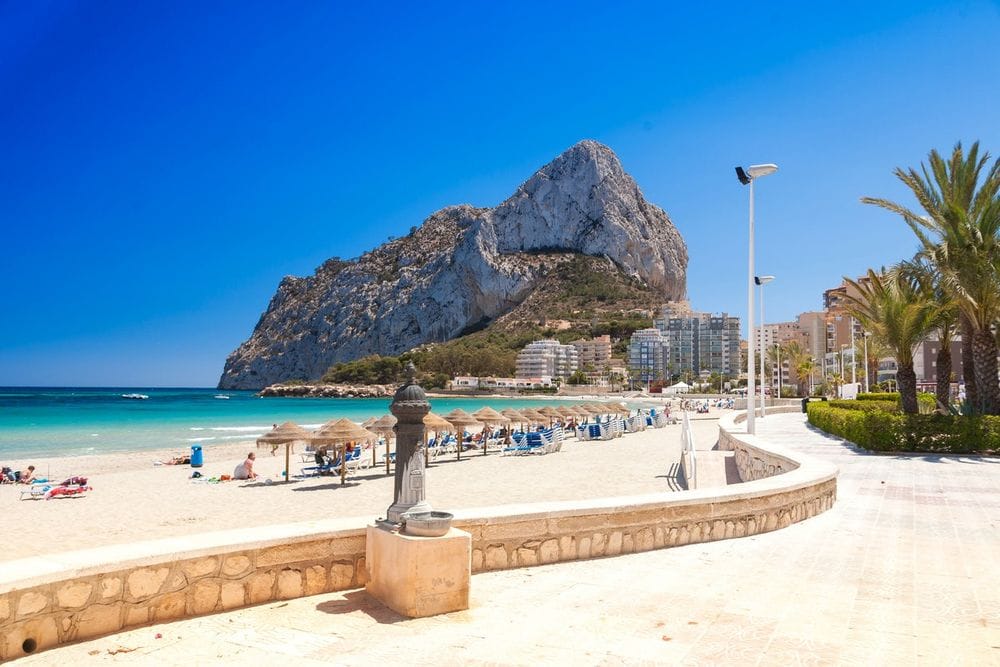
Calpe’s main sight and calling card is the majestic Peñón de Ifach rock (Penyal d’Ifac in Valencian). This natural monument is one of the best-known symbols of the whole Costa Blanca: a unique rock massif rising 332 metres above the Mediterranean.
The Ifach rock is a limestone massif that was once an island but over time became joined to the mainland by a narrow isthmus. The Romans used the rock as a strategic fort and lookout. Later, in the Middle Ages, it served as a watchtower against pirates and invaders, whose constant raids forced local people to move away from the coast.
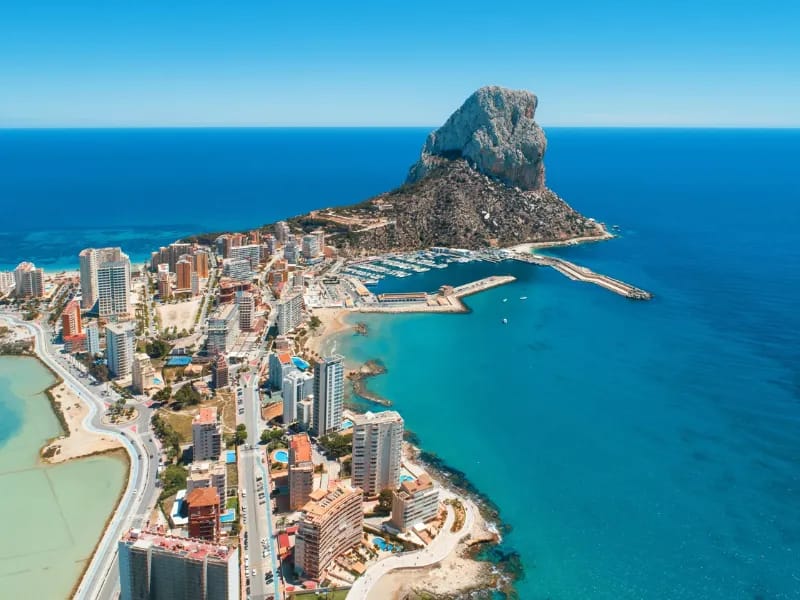
On 19 January 1987 the Valencian government declared the area at the foot and on the slopes of the rock a natural park (Natural Park of Penyal d’Ifac). The reserve covers 45 hectares. More than 300 plant species grow in the park, including rare endemic species found only in this area. It is also home to various bird species, including rare birds of prey.
Climbing to the top of the Peñón de Ifach is one of the most popular activities among tourists and outdoor enthusiasts. The route passes through a tunnel cut specially into the rock and takes about 2–2.5 hours there and back. From the summit there is a magnificent panoramic view of Calpe, its surroundings, the mountains and the coast — on a clear day you can even see Ibiza. However, after the tunnel the route becomes more difficult and requires proper footwear and caution, so it is not recommended for small children or people with disabilities.
Calpe beaches: 11 kilometres of coastline
Calpe boasts more than 11 kilometres of beaches, making it one of the best places for a beach holiday on the Costa Blanca in eastern Spain. The famous Ifach rock divides the town’s coast into two parts, forming picturesque bays on either side.
Arenal-Bol beach (Playa Arenal-Bol) is the main town beach, in the centre of Calpe next to the old town. It is about 1.5 km long, and the beach is 20 to 40 metres wide. It has soft golden sand and all the facilities you need: sunbeds and umbrellas, showers, changing cabins, playgrounds and lifeguard towers. A wide palm-lined promenade runs along the beach, perfect for strolling, with numerous restaurants, cafés and bars overlooking the sea. Arenal-Bol beach holds the prestigious Blue Flag for cleanliness and quality of services.
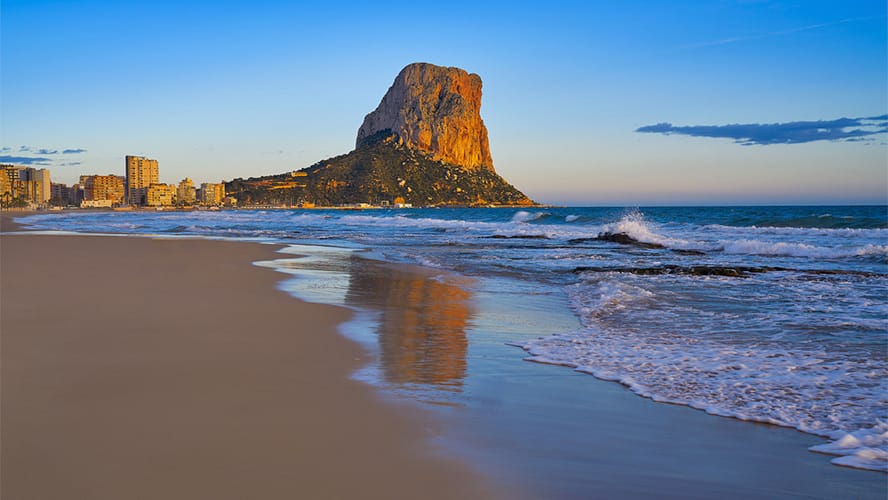
La Fossa or Levante beach (Playa de La Fossa/Levante) is north of the Ifach rock and is considered one of the most beautiful beaches in town. It is a wide sandy beach about 1 km long with clear turquoise water and a gentle slope into the sea, which makes it ideal for families with children. Along the beach is a modern district with high-rise residential buildings, hotels, apartments and well-developed tourist facilities. The beach has water sports equipment rental, playgrounds and numerous bars and seafood restaurants. It also holds a Blue Flag.
Cantal Roig beach (Playa Cantal Roig) is a small, cosy beach of fine pebbles at the foot of the Ifach rock. It is a quieter spot, popular with locals and divers thanks to its clear water and interesting underwater terrain.
Besides the main beaches, Calpe has several picturesque small coves and rocky beaches, such as El Racó and others, which attract those who like secluded relaxation and snorkelling. The Mediterranean coastal waters here are crystal clear and warm in the summer months, creating excellent conditions for swimming and water sports. The cleanliness is not just a matter of looks: bathing water in Spain is tested every year and the results are published for each beach — where to find these reports and how bathing water differs from drinking water is covered separately.

History of Calpe: from antiquity to the present day
Calpe’s history begins in the Bronze Age. Various civilisations left their mark here: the ancient Iberians; the Phoenicians, who founded the first settlements; and the Romans, who recognised the strategic importance of Ifach and founded a colony, calling it “Ifach” (meaning “Northern”). At the foot of the rock there are archaeological remains from the Roman era — the ruins of Roman baths and the ancient settlement of Pobla de Ifac.
In the Middle Ages Calpe was under Moorish rule, and after the Reconquista it passed to the Christians. Between the 13th and 17th centuries Calp was repeatedly attacked by Barbary pirates, which led to the construction of defences. One of them is the Torre de la Peça, a 16th-century watchtower that can still be seen in the town. Remains of the old city walls (Muralla Roja) that once protected the old town have also survived.
In the 20th century, especially after the 1960s, Calpe turned from a small fishing village into a popular tourist resort. The growth of tourism brought major changes: modern residential complexes and hotels were built and infrastructure was developed. Today Calpe is one of the most attractive resort towns on the Costa Blanca, combining the traditions of the past with modern comfort.
The old town and fortifications
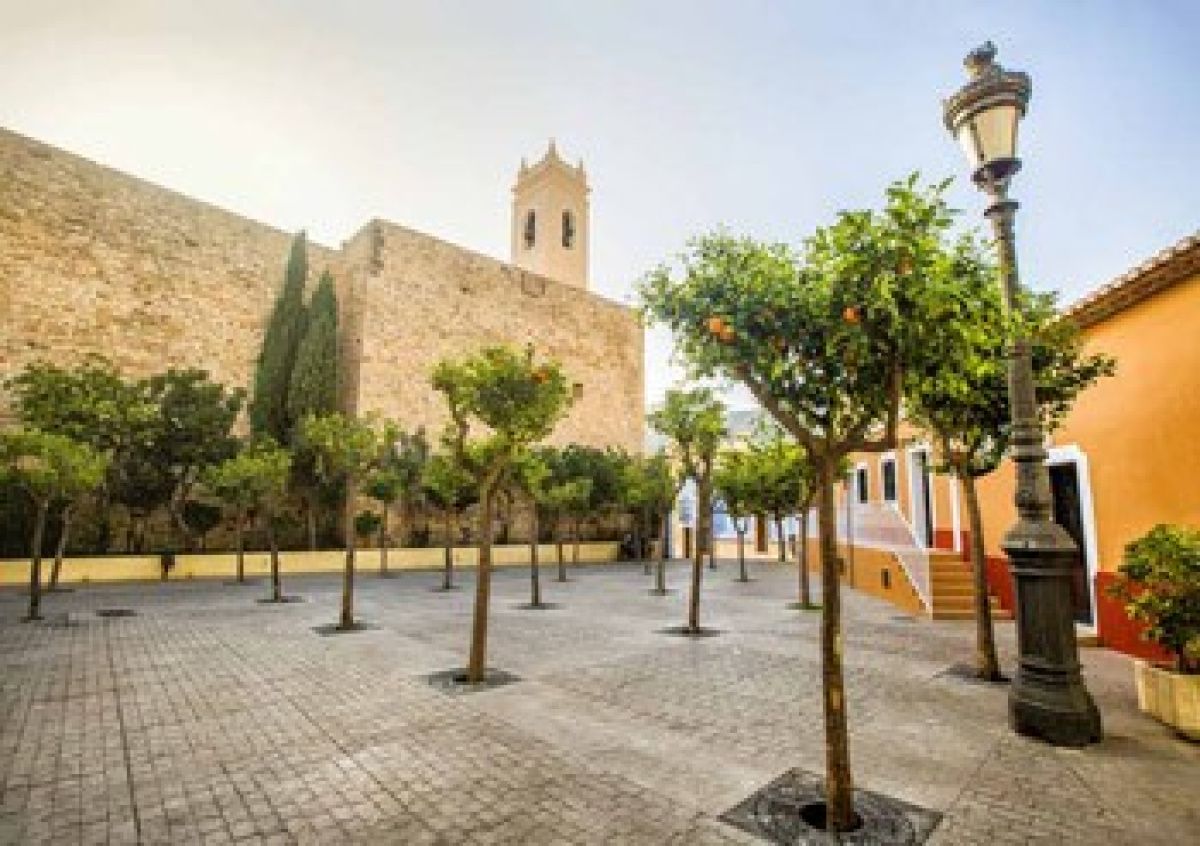
Calpe’s old town (Casco Antiguo) is a charming historic district with narrow streets, white houses in the traditional Mediterranean style and a cosy atmosphere. A walk around the old centre lets you feel the real Spanish character and get to know the town’s rich history.
City walls and defences
One of the main historic sights of the old town is the remains of the city wall from the time of Moorish rule. These ancient walls once surrounded the whole town, protecting it from frequent pirate raids from the sea. Part of these fortifications has survived to this day, a reminder of the town’s turbulent past and its important defensive role on the coast of Spain.
Torreón de la Peça is a 16th-century defensive bastion and watchtower that forms part of the walled old town. The tower was built at a time when, until the 17th century, the town was often attacked by African pirates. To defend themselves, the townspeople built this lookout tower and strengthened the city walls. The tower was an important observation post from which approaching pirate ships could be spotted early and the population warned of the danger.
It is the only surviving bastion of the medieval fortress in Calpe and an important architectural monument that tells how the inhabitants defended their town against the constant threat from the sea. Today the tower is one of the main historic points of interest for tourists exploring the rich heritage of medieval Spain.
In the centre of the old town stands the Church of Nuestra Señora de las Nieves (Iglesia de Nuestra Señora de las Nieves) — the main parish church, built in 1973 in honour of Our Lady of the Snows, the patron saint of Calpe. The church is an interesting example of modern religious architecture. A small chapel (ermita) of San Salvador has also survived in the old town.
Here you can see remains of the old city walls, traditional Spanish squares with small fountains, and little shops selling local products and souvenirs. On Saturdays there is a traditional market where you can buy fresh fruit, vegetables, local produce, cheese and olive oil.
Viewpoints: panoramic views
Calpe offers several superb viewpoints with breathtaking panoramic views of the town, the Costa Blanca coast and the mountains.
Mirador Monte Toix
Mirador Monte Toix is one of the best viewpoints around Calpe, at the southern end of the town. It stands about 360 metres above sea level and offers a stunning panoramic view of the whole Marina Alta coast.
From the Monte Toix viewpoint there is a magnificent view of the bay of Altea, Calpe with its famous Peñón de Ifach, the surrounding mountains and the Mediterranean coast. On a clear day you can see Benidorm to the south and even Cumbre del Sol. The views from here are considered some of the most beautiful on the whole Mediterranean coast of Spain.
You can drive almost to the top along a winding mountain road. From the car park to the viewpoint itself is about 500 metres on foot. The spot is especially popular with photographers and nature lovers, yet there are far fewer tourists than on the Ifach rock itself, so you can enjoy the views in peace.
The viewpoint on the Ifach rock
The best-known viewpoint, of course, is the summit of the Peñón de Ifach itself. After a 2–2.5-hour climb along the route through the tunnel, walkers reach the top at 332 metres, with an absolutely breathtaking 360-degree view of the whole town, the coast, the mountains and the endless Mediterranean. It is one of the most impressive views on the entire Costa Blanca.
Culture and museums
Calpe has several interesting museums for lovers of the history and culture of Spain:
- The Casa Cocó Ethnological Museum displays a collection of traditional household objects and tools showing how local people lived in the past
- The Archaeological Museum shows finds from the Roman era and other historical periods
- The Festival Costume Museum displays traditional outfits worn during local festivals
- The Collectibles Museum presents various private collections
Calpe’s cultural life is full of events. Various festivals take place throughout the year, the most important being the fiesta in honour of the town’s patron saint, Our Lady of the Snows (Virgen de las Nieves), held in August with religious processions, parades, performances, fireworks and traditional dances.
The salt lake and pink flamingos
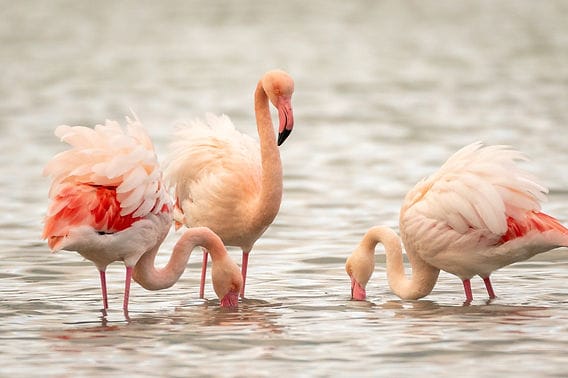
A unique natural attraction of Calpe is the Las Salinas salt lake (Las Salinas de Calpe), right in the middle of the town. This natural lake was used for salt extraction for centuries and still has important ecological value.
The lake has become home to many species of migratory birds. You can see pink and white flamingos, which come here at different times of year, especially in summer and autumn. Besides flamingos, storks, grey herons and other rare bird species live on the lake. The spot is very popular with birdwatchers and nature photographers.
Convenient walking paths have been laid out around the lake, from which you can watch the birds in their natural habitat. The flamingos come quite close to observers and are not afraid of people, so you can take superb photos of these graceful birds against the blue water and pink salt.
The port, marina and fish market
Calpe’s seaport (Puerto de Calpe) is a picturesque marina with moored yachts and fishing boats. The port is an important centre of the town’s maritime life and has preserved its centuries-old fishing traditions.
The fish market in Calpe — a unique spectacle
One of the most interesting and unusual sights in Calpe is the fish exchange (Lonja de Pescado), located right in the port. This is where a genuine fish auction takes place every day — a tradition that has existed on the coast of Spain for many centuries.
Every day at around 16:00–17:00 (the exact time may vary depending on when the fishing boats return) the sale of freshly caught fish and seafood at auction begins. The fishing boats return to port at sunset bringing their catch — the freshest fish, octopus, prawns, squid and other seafood.
The auction runs from Monday to Friday and lasts about two hours. Visitors can watch the boats enter the port one by one along the entrance channel in an orderly fashion, the fishermen unload their catch into special crates, and then the auction itself begins. Bidding takes place between wholesale buyers — restaurant owners, fishmongers and dealers. The bidding system can be traditional or electronic.
A visit to the fish exchange is not only a chance to see a genuine Spanish maritime tradition but also to soak up the atmosphere of a real fishing port, watch today’s fishermen at work and appreciate the variety of Mediterranean seafood. It is one of the most popular and best-loved activities among tourists who want to get to know the authentic culture of the Spanish coast.
Next to the fish exchange is a fish market where you can buy the freshest seafood and fish at affordable prices. Many locals come here regularly to buy food for cooking at home.
Around the port there are many fish restaurants serving traditional Mediterranean dishes. In the marina you can charter a yacht for a trip along the coast or go sport fishing. For divers, diving clubs organise dives to interesting underwater spots by the Ifach rock.
Food: the taste of the Mediterranean
Calpe is famous for its fish dishes and the traditional cuisine of the Valencia region. Local restaurants offer rich menus focused on fresh seafood, fish and traditional Spanish recipes.
Among the most popular dishes worth trying:
- Arroz a banda — a traditional rice dish with seafood
- Fresh fried fish and grilled seafood
- Octopus and squid cooked in various ways
- Paella — the famous Valencian dish of rice with seafood or meat
- Various tapas — small snacks served with wine
Around the port there are well-known fish restaurants such as Restaurante Baydal (open for more than 50 years), Las Barcos, Capri and others, where you can enjoy fresh fish and seafood with a sea view. Restaurant prices in Calpe range from moderate to expensive depending on the establishment and location.
It is also worth visiting local cafés and bars for a traditional Spanish breakfast of coffee and fresh pastries, evening tapas and local wines from the Valencia region.
Districts and property
Calpe is divided into several districts, each with its own character:
- The old town (Casco Antiguo) — the historic centre with traditional architecture
- Playa Arenal-Bol — the area by the main town beach, suitable for living permanently
- Playa de Fossa-Levante — a modern tourist district with high-rise buildings and apartments
- Puerto — the port and marina area
- Manzanera-Tosal, Maryvilla, Gargasindi, Canuta — residential areas on the outskirts of Calpe
The property market in Calpe is well developed and offers various types of housing: apartments in high-rise buildings, modern townhouses, private villas and luxury homes with sea views. Apartment prices vary by district: from €67,000 in the centre to €157,000 in prestigious areas such as Maryvilla. Calpe attracts property buyers from all over Europe, especially from the United Kingdom, Germany, France and Russia.
New residential complexes with swimming pools, parking and modern amenities are constantly being built in the town. Renting is also popular: you can find apartments for short- or long-term rent at a range of prices.
Population and infrastructure
Calpe has about 23,000–25,000 permanent residents, but in the summer season this number rises considerably thanks to tourists and second-home owners. Many residents are foreigners from various European countries who have chosen Calpe for permanent or seasonal living because of its superb climate and quality of life on the coast of Spain.
Calp’s infrastructure is very well developed and includes:
- Numerous supermarkets, shops and shopping centres
- Medical centres and hospitals
- Schools and educational institutions
- Sports complexes, tennis courts and golf courses in the surrounding area
- Playgrounds and parks
- Hotels of all categories — from budget to multi-star luxury
- A well-developed public transport network
The town offers all the services needed for comfortable living and holidays. There are banks, post offices, travel companies, car hire agencies and numerous cafés, restaurants and bars.
Outdoor activities and entertainment
Calpe is an ideal place for lovers of outdoor activities and sport on the Mediterranean coast of Spain:
- Water sports: sailing, windsurfing, kayaking, paddleboarding
- Diving and snorkelling: underwater swimming by the Ifach rock with its rich marine life
- Walking and trekking: routes through the Peñón de Ifach natural park and the surrounding mountains
- Cycling: routes along the coast and in the mountains
- Rock climbing: climbing for experienced climbers
- Golf: golf courses in nearby areas
- Tennis and volleyball: courts for playing
- Boat trips: yacht and motorboat hire for excursions along the coast
For children, Calpe has playgrounds, kids’ clubs and water parks in neighbouring towns (for example, in Benidorm). Families with children will find plenty of entertainment and safe places to relax.
Surroundings and excursions
Calpe’s location makes it easy to visit other interesting places on the Costa Blanca and in the Valencian Community:
- Altea (10 km) — a picturesque white town with a beautiful old quarter
- Benidorm (23 km) — a large resort with skyscrapers, theme parks and nightlife
- Dénia (30 km) — a port town with a castle and ferries to the Balearic Islands
- Jávea — an elegant resort town
- Guadalest — a mountain village with a castle and a reservoir
- Alicante — the provincial capital with a rich history, Santa Bárbara Castle and a lively atmosphere
- Valencia — the third-largest city in Spain, with the futuristic City of Arts and Sciences
- Barcelona and Madrid — the largest cities in Spain, within reach for weekend trips
Tour companies offer various excursions around the region, including visits to historic sights, wineries, natural parks and mountain routes.
Practical information for tourists
When to visit: Calpe is good all year round thanks to its mild climate. The best time for a beach holiday is from May to October, when the sea is warm and the weather sunny. June to August is the hottest and busiest tourist season. Spring (March–May) and autumn (September–October) are ideal for walks, hikes and sightseeing without intense heat or crowds. In winter (December–February) the weather is mild, although it is cool for swimming.
How to get there:
- Fly to Alicante airport (Alicante-Elche Airport) — 67 km, then take an Alsa bus or a hire car
- Valencia Airport — about 120 km
- Alsa buses connect Calpe with Alicante, Valencia, Benidorm and other places on the coast of Spain
- By car on the N-332 or the AP-7 toll motorway
Where to stay: Calpe has a wide choice of accommodation — from budget apartments and guesthouses to luxury hotels and villas. Prices depend on the season, the district and proximity to the sea. To find accommodation you can use online booking platforms or contact local estate agencies.
Holiday costs: Prices in Calpe are moderate compared with other European resorts. Dinner at a mid-range restaurant costs about €15–30 per person, and at expensive fish restaurants €40–60. Beach sunbed hire is about €5–10 a day. Public transport is inexpensive. The resort offers good value for money for tourists on different budgets.
Useful contacts: The tourist information centre is in the town centre and provides maps, brochures and information on routes and events in several languages, including English.
Conclusion
Calpe is a town that beautifully combines the natural beauty of the Mediterranean with a rich history and modern amenities. The majestic Peñón de Ifach, fine sandy beaches with clear water, a salt lake with pink flamingos, a charming old town with narrow streets and city walls, traditional cuisine with fresh seafood, a unique fish exchange with a real auction and breathtaking viewpoints — all this makes Calpe an ideal holiday destination on the coast of Spain. If you are considering Calpe not as a resort but as a place to live, it helps to look at the numbers: the ranking of Spanish cities shows the ratio of rent to income across the country, and our cost-of-living budget calculation shows real monthly expenses.
The town suits both a relaxed family holiday with children on fine-sand beaches and active travellers who love mountain hikes, diving and water sports. The mild Mediterranean climate with 300 sunny days a year means you can enjoy a holiday here almost all year round.
Excellent access from Alicante international airport, well-developed infrastructure, a wide choice of accommodation from apartments to luxury villas and numerous restaurants with local and international cuisine all make Calpe one of the most attractive destinations on the Costa Blanca in eastern Spain.
Having visited Calpe once, many tourists return again and again, and some even choose this beautiful town as their permanent home, buying property here and enjoying a high quality of life by the warm Mediterranean on the sunny coast of Spain.
This article is based on up-to-date information about the town of Calpe, province of Alicante, Valencian Community, Spain.
- Location and climate
- The symbol of Calpe: the Peñón de Ifach
- Calpe beaches: 11 kilometres of coastline
- History of Calpe: from antiquity to the present day
- The old town and fortifications
- Viewpoints: panoramic views
- Culture and museums
- The salt lake and pink flamingos
- The port, marina and fish market
- Food: the taste of the Mediterranean
- Districts and property
- Population and infrastructure
- Outdoor activities and entertainment
- Surroundings and excursions
- Practical information for tourists
- Conclusion