France is actively developing its innovation ecosystem and attracting talented entrepreneurs from around the world through a dedicated start-up visa programme. This is one of the two routes of the “talent” card. Everything else that gives you the right to live in France is covered in our overview: French residence permits on every ground. This article deals with the route for innovative projects, which requires a letter from an accredited incubator. If you run an ordinary business — consulting, an agency, trade, services — you need the second route, création d’entreprise, with a €30,000 threshold and no incubator: the French talent passport for entrepreneurs. This initiative opens up unique opportunities for foreign nationals who want to build an innovative business in one of Europe’s largest economies.
About the name
The law of 26 January 2024 renamed the range of cards: passeport talent is no longer used as a legal term; it is now the carte de séjour pluriannuelle “talent” with the route specified. We keep the familiar name in the text — people search for it and remember it — but in the documents and on the application portal you will see the new one.
What the French Tech Visa is and why it matters
French Tech Visa (the visa of the French technology ecosystem) is a special programme recognised as one of the most attractive in Europe for start-up founders and skilled staff of tech companies. The La French Tech programme was launched by the French government with the support of the French Ministry of the Economy to strengthen the country’s position in the international innovation market and attract foreign talent to high tech.
Channel on the French talent passport
The “talent” rules change quickly: in two years the card’s name, the way files are examined, the fees and the language requirements have all changed. We run a separate channel on France — France Talent Visa — so as not to mix it with the Spanish routes.
This residence permit lets you stay legally in the French Republic, work on an innovative project and gain a long-term prospect of living in the country. Unlike standard work visas or “golden visa” programmes in other countries, the French start-up visa offers a simplified process and far fewer bureaucratic obstacles. To obtain the French Tech visa, you have to go through several selection stages and prepare documents. The process requires careful preparation, but the result is worth it. Immigrating to France through the start-up visa is one of the most promising paths for innovative entrepreneurs.

The main advantage of the programme is that it allows not only start-up founders but also their family members to move to France and eventually obtain a French residence permit. The visa for a spouse and minor children can be processed together with the main application, which makes this route especially attractive for family relocation. The benefits of a French residence permit include access to the European ecosystem and high-quality education and healthcare.
The three French Tech Visa categories: who the programme suits
The French Tech programme, part of the broader Mission French Tech initiative under the French Ministry of the Economy, covers three main categories of participants, each with its own requirements and conditions within the Passeport Talent system. Obtaining the French start-up visa opens the door to the European tech ecosystem.
1. Founders (start-up founders) – Passeport Talent Créateur
This category, known as Passeport Talent Projet Économique Innovant (also known as Talent Projet Économique), is intended for entrepreneurs who plan to launch a start-up or are already developing an innovative project in France. To obtain a start-up visa in this category, you need approval from one of the accredited French incubators or accelerators. Getting the French Tech Visa for start-up founders is the first step towards a Passeport Talent residence permit.

Key requirements for founders:
- The project must be recognised as innovative and meet the innovation criteria of the French Tech Ecosystem
- You need a letter of support from an accredited incubator or accelerator to apply for the start-up visa
- The business plan must clearly show the potential for growth in the French and European markets
- The team must have sufficient qualifications and experience in its field
- The project you plan to carry out must not require significant state investment at the initial stage
It is important to understand that although the law sets no minimum capital, in practice you need to show sufficient funds to launch the business and run it. The start-up support programme provides help at every stage of development. The French start-up visa differs from golden visa programmes in that it does not require large investments in property.
Tech Talent Passport for start-up employees
The second strand of the programme is the Talent Passport (Passeport Talent) for skilled professionals hired by French companies or tech companies. This option suits highly qualified workers in tech, development, management, marketing and other key areas. The Passeport Talent category has several subcategories for different types of professionals. The French Tech visa for employees is processed faster than for founders.
Requirements for employees (Talent Business or Tech Talent):
- A contract or employment agreement with a French company recognised as innovative
- The employer must be approved by the state agency Business France or hold the relevant accreditation within the French Tech ecosystem
- The annual salary must reach a certain minimum (usually at least €35,000–38,000 a year)
- Professional experience and qualifications in the relevant field
- A master’s degree or equivalent education (although exceptional experience can make up for formal education)
The professional receives a Passeport Talent, which gives the right to work in France and later to obtain a French residence permit through the work visa.
3. Start-up investors and partners
The third category is for investors ready to put capital into French innovative businesses through a start-up, and for partners in existing start-ups. This programme is less popular than the first two, but it opens a path for those who want to invest in the French economy and obtain residence in France. Although it is not a classic golden visa, it offers similar opportunities.
French Tech Tremplin: a special support programme
The French Tech Tremplin programme deserves a separate mention — an initiative of the French Ministry of the Economy aimed at supporting entrepreneurs from under-represented communities. It provides financial help and mentoring for early-stage start-up projects.
How to get the start-up visa: step-by-step guide
The procedure for obtaining the French Tech Visa and then the French residence permit consists of several consecutive stages. Getting a residence permit through a start-up is considered one of the most promising paths for entrepreneurs. A French residence permit through the start-up visa is a logical and effective route for innovative entrepreneurs. Immigration to France under this programme opens up many opportunities.
Stage 1: Preparation and choosing an incubator
The first and one of the most important steps is choosing a suitable accredited start-up incubator or accelerator. The official La French Tech website lists the French Tech Capitals and French Tech Next40 — approved organisations entitled to issue letters of support for visa applications. The list of French Tech accelerators is constantly updated.
When choosing an incubator or business incubator, consider:
- The organisation’s specialisation (fintech, e-commerce, AI, biotech, etc.)
- Location (Paris as a French Tech Capital, Lyon, Toulouse, Marseille and other cities)
- The terms of the incubation and start-up support programme
- The cost of the incubator’s services
- Its experience and reputation in the French Tech ecosystem
Some incubators provide support free of charge, while others charge for their services. The French Tech Ticket programme, for example, offers funding for foreign founders.
Stage 2: Preparing documents and the incubator application
Once you have chosen an incubator, you need to prepare a detailed start-up application, which usually includes:
Main materials for the incubator:
- A detailed business plan in English or French
- A pitch deck describing the product, market, team and financial model
- Information on the founding team with each member’s CV and experience as start-up founders
- Data on the current state of the project (development stage, MVP, customers, sales)
- Financial forecasts and a fundraising plan — start-up investors assess these very carefully
- Evidence that the solution is innovative and unique
- Market and competitor analysis
- A strategy for growth in the European market
The incubator’s review usually takes 2 to 8 weeks depending on the organisation. Some incubators interview founders online or require them to be present in France in person.
Stage 3: Getting the letter of support
After a positive decision by the incubator, the applicant receives an official letter of support (letter of support or lettre d’accompagnement). This document confirms that the incubator recognises the project as innovative and is ready to support its development in France. It is the key document for obtaining the Passeport Talent.
The letter of support is the key document for the subsequent visa application that opens the way into the French ecosystem, and it must contain:
- The full name and contact details of the accredited incubator
- A description of the project and its innovative nature in line with the French Tech Mission requirements
- Confirmation of readiness to support the development of the French start-up company
- The period of support
- The stamp and signature of the organisation’s responsible officer
Important: the letter is usually valid for a limited period (3–6 months), so once you have it you need to move quickly to the next stages of the start-up application. To apply for the start-up visa, all documents must be up to date.
Stage 4: Gathering the full set of documents
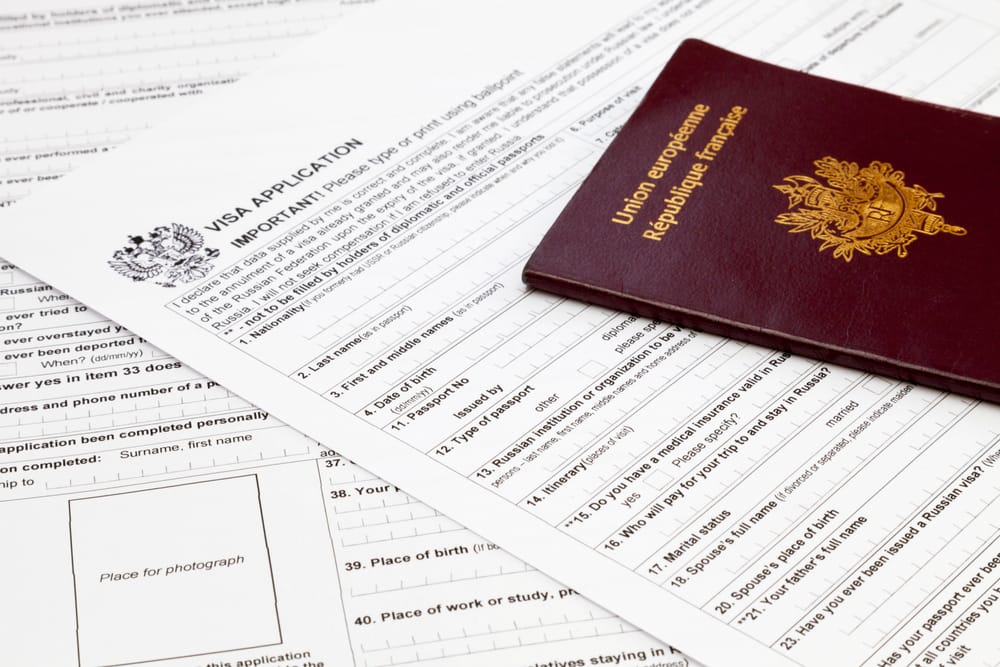
At the same time as obtaining the incubator’s letter, or right after it, you need to gather the full set of visa documents for the consulate. The list may vary slightly depending on the consulate and the country where you apply, but the standard set includes:
Mandatory documents for a French residence permit:
-
Completed visa application form — the application for a long-stay visa de long séjour valant titre de séjour), also known as the Tech Visa Passeport Talent or talent passport
-
Passport — a valid international passport valid for at least 3 months after the planned entry, with several blank pages
-
Photographs — usually 3–4 passport-size photos taken no more than 6 months ago
-
Letter of support from the incubator — the original or a certified copy for the start-up visa application
-
Detailed business project — in French or English, covering every aspect of the project. The business project must clearly demonstrate the innovation and growth potential of the French start-up initiative
-
Financial documents:
- Bank statements for the last 3–6 months
- Proof of funds to live in France
- Income certificate or tax return
- Documents on investment raised (if any)
-
Education documents:
- University diploma with an apostille
- Translation of the diploma into French certified by a sworn translator
- Certificates of additional education and courses
-
Proof of professional experience:
- CV in French or English
- Reference letters from previous employers
- Proof of work experience in the relevant field
- A portfolio or examples of completed projects
-
Documents on accommodation in France:
- A rental agreement (if already signed) or a booking confirmation
- The address where you intend to live
- In some cases, an invitation from the French side
-
Health insurance — a policy valid in France for the first months of your stay (at least 90 days)
-
Company documents (if already registered):
- Extract from the companies register
- Articles of association (statuts de la société)
- Documents on the registration of the legal entity
- Tax identification number and other tax documents
Additional documents for family members:
If you plan to move with your family and want to apply for a visa for your spouse, you need to prepare additional materials:
- Marriage certificate (with an apostille and translation)
- Children’s birth certificates (with an apostille and translation)
- Passports and photographs of the spouse and children
- Documents proving you can financially support the family
Important points about the documents:
- All documents not in French or English must be translated by a sworn translator
- Documents from Russia and other countries require an apostille to be recognised in France
- Financial documents must be recent (no older than 1–3 months at the time of application)
- The business plan must be worked out in detail — it is one of the key documents in the assessment
Stage 5: Applying at the French consulate
Once you have gathered all the necessary documents, book an appointment at the French consulate in your country to submit the start-up visa application. The visa process includes several important steps to obtain the French Tech visa:
-
Booking an appointment online — choose the date and time of your visit on the consulate’s official website. In some countries (including Russia) visa matters are handled through visa centres or special services.
-
Attending in person — the applicant must come to the consulate in person with the full set of documents. For a family visa, all family members above a certain age may be required.
-
Biometric data — fingerprints are taken and a digital photo is made (unless done in the last 5 years for the Schengen area). Note that the French Tech visa differs from a standard Schengen visa.
-
Interview — the consular officer may ask about the project, your motivation and plans in France. You need to be ready to explain clearly what your business is about and why you chose the La French Tech programme. Apply for the start-up visa with full confidence in your project.
-
Paying the consular fee — the visa fee is about €99 (subject to change). It is paid when you submit the visa documents at the consulate.
-
Receiving a receipt — after submission you get a receipt with a file number to track the status of the application.
Stage 6: Review of the application and waiting for a decision
The official processing time for a French Tech Visa application is up to 2–3 months, although in practice it can take from 3 weeks to 4 months depending on the consulate’s workload and the complexity of the case. The immigration process requires patience and careful preparation.
During the review:
- The consulate may request additional documents or information
- The data provided may be checked with French government bodies
- In some cases an additional interview is held
- The project may be sent for additional assessment to the ministry or special Mission French Tech committees
You can track the status of the application online through your personal account on the consulate’s website, where this is available.
Important: while waiting for a decision, it is not advisable to book non-refundable tickets or make large financial commitments before approval and the issue of the visa.
Stage 7: Collecting the visa and entering France
If the decision is positive, the applicant is notified that the visa is ready. You then need to:
- Collect the passport with the visa — in person or through a representative (depending on the consulate’s rules). The consulate will issue the visa with the corresponding Passeport Talent endorsement.
- Check the details — carefully compare the information in the visa with your passport data
- Pay the OFII tax — after receiving the visa you must pay a special tax (taxe OFII) of about €200
- Enter France — within the validity of your visa (usually within 3 months of the date of issue)
Initially a long-stay national type D visa (visa de long séjour) is issued, which also serves as a temporary residence permit for the first months of your stay. This visa gives the right to live and work legally in France. Although you cannot get the residence permit straight away, the initial visa is the first step towards permanent status.
Stage 8: Formalities in France after arrival
After entering France, you must complete several mandatory procedures for the national visa within the first 3 months:
-
Validating the visa through OFII — within 3 months of arrival you must complete the procedure with the Office Français de l’Immigration et de l’Intégration:
- Fill in the online form on the OFII website
- Send copies of your passport and visa
- Undergo a medical examination (visite médicale)
- Receive confirmation that the visa has been validated
-
Opening a bank account — you need an account with a French bank to run the business and for everyday life
-
Registering the company — if the company is not yet registered, you must go through registration to make the start-up official:
- Choose a legal form (usually SAS or SASU)
- Prepare the articles of association and other founding documents
- Register the company through the online portal or with the help of lawyers
- Obtain a SIRET number
-
Getting the carte de séjour — about 2 months before the initial visa expires, apply for the plastic residence card (carte de séjour temporaire or the Passeport Talent card):
- Go to the prefecture where you live
- Provide up-to-date documents on the project’s progress
- Show progress and delivery of the business plan
- Receive a card valid for 1 to 4 years to obtain the French residence permit
-
Tax registration — register with the tax authorities and get a tax number (numéro fiscal)
-
Social contributions — register with the social security system (Sécurité sociale)
Now you can obtain a resident’s card and live fully in France while developing your start-up. Passeport Talent residence in France opens up many opportunities for business and personal life.
Benefits of the French Tech Visa: why people choose France
The French start-up visa offers many significant advantages that make it one of the most attractive programmes in Europe for those who want a start-up visa in France and to build an innovative business:
1. A fast process and simplified procedure
Compared with standard business visas and entrepreneur visas in other countries, the French Tech Visa offers a much faster and less bureaucratic path to a French residence permit. The whole journey from starting preparation to receiving the visa can take 3–6 months, which is much faster than many alternative programmes in other European countries. The French Tech Visa is a streamlined process for innovative entrepreneurs. Immigrating to France under this programme is much simpler than through traditional channels.
2. Access to the French and European ecosystem
France has one of the largest and most developed technology ecosystems in Europe. Within the French Tech Ecosystem, Paris is recognised as Europe’s second-largest start-up hub after London, and cities such as Lyon, Toulouse and Bordeaux are actively developing their regional tech centres as French Tech Capitals.
The programme gives access to:
- Europe’s largest venture funds and investors
- International French Tech partners and clients
- Skilled professionals and talent
- State support for innovation from the French Ministry of the Economy
- The European market as a whole
- Many French companies and corporate partners
The benefits of a French residence permit include freedom of movement within the Schengen area and the chance to grow a business in the heart of Europe.
3. Minimal investment requirements
Unlike golden visa programmes, which required investing significant sums in property or government bonds — usually €250,000 to €500,000 — the French Tech Visa has no strictly set minimum capital threshold. The Spanish golden visa, by the way, is no longer issued: applications stopped on 3 April 2025, the Portuguese one is closed to property, and today it makes more sense to compare the “talent” card with work and entrepreneurial routes rather than investment ones. You only need to prove sufficient funds to launch the business and support your family. This makes the programme accessible to real entrepreneurs, not just wealthy investors.
4. An option for the whole family
The programme lets you include your spouse and minor children in the application. The spouse’s visa is processed at the same time as the main application. Family members gain the right to:
- Live in France legally
- Work (the spouse gets the right to work automatically)
- Receive education (children can attend state schools free of charge)
- Use medical services
- Travel within the Schengen area
5. A path to permanent residence and citizenship
After several years of legal residence in France on the start-up visa, you can obtain a permanent French residence permit:
- Get a permanent residence card (carte de résident) after 5 years
- Apply for citizenship of the French Republic after 5 years of permanent residence (citizenship by naturalisation)
- Obtain EU long-term resident status, which gives the right to live and work freely in other European Union countries
Through the start-up visa, France offers a clear path to European citizenship.
6. Quality of life and social guarantees
France is known for its high standard of living, high-quality healthcare, excellent education system and well-developed social protection. The social climate is a separate topic that matters to people to different degrees: how LGBT rights and everyday life work in France is covered in a separate article — LGBT in France. Start-up visa holders and their families get access to:
- Free medical care (after registering with the system)
- High-quality schooling for children
- Social payments and benefits
- Well-developed infrastructure and cultural opportunities
7. Financial support and incentives
The French government and the French Ministry of the Economy, as well as various regional bodies, offer numerous financial support programmes for innovative start-ups:
- Grants for development and research
- Tax incentives for start-ups and R&D companies
- Subsidies for job creation
- Access to French state and European funding
- The French Tech Tremplin programme for under-represented groups
Requirements and selection criteria: what is assessed in an application

The success of a start-up visa application in France, and of the visa process that follows, depends largely on how well the project meets the innovation criteria and programme requirements. Let us look in detail at what incubators and consular authorities assess when reviewing a French Tech visa application:
Innovation of the project
The main requirement is that the project you present must be genuinely innovative as understood by the French Tech Mission and the French Ministry of the Economy. This means:
- Technological novelty — the use of new technologies, methods or approaches
- A unique solution — the product or service must offer a new solution to an existing problem
- Scalability — potential for rapid growth and expansion into the international market
- A technology component — a significant technical element in the product
Projects that do not qualify:
- Traditional businesses without an innovative element (restaurants, shops, estate agencies)
- Consulting services without a technology platform
- Simple trading or intermediary models
Start-up projects are assessed strictly — incubators select only initiatives that can genuinely change the market.
Team and qualifications
The professional level of the founders is assessed:
- Education — higher education, especially in technical fields, at master’s level or above
- Work experience — relevant industry experience, previous projects, achievements
- Expertise — deep understanding of the market and technology
- Entrepreneurial skills — experience in management, sales and business development
- Team — a complete team with complementary skills
Business model and market
The economic potential is analysed in detail:
- A clear business model — an understandable way of making money
- Market analysis — the size of the target market, trends, growth potential
- Competitive advantage — what makes the product better than existing solutions
- Development plan — a realistic go-to-market and scaling strategy
- Financial forecasts — well-founded calculations of revenue, costs and break-even point
Stage of development of the project
Although the programme is open to projects at different stages, those that have the following are at an advantage:
- An MVP (minimum viable product)
- First customers or users
- Proof of concept
- Investment raised or partners on board
- Measurable results (sales, traffic, growth metrics)
It is worth noting, however, that even projects at the idea stage can be approved for the French Tech visa if they convincingly demonstrate innovation and potential.
Connection with France
You need to show why France specifically and how the project will develop in the French market:
- Local market — understanding of French specifics, customers and regulation
- Ecosystem — how the company will use French resources, French Tech partners and investors
- Registration — readiness to register the company in France
- Employment — plans to hire French professionals
- Long-term commitment — the intention to do business in France rather than use the visa for other purposes
Financial standing
You need to prove that you can finance:
- Launching the business — sufficient capital to start operations
- Your family’s living costs — funds for rent and everyday expenses
- A period without income — a reserve for 6–12 months until the business starts making a profit
Although no minimum amount is officially set, experts recommend having at least €20,000–30,000 in the account for one person and more for a family.
Cost and timelines: financial planning for the move
Moving to France on the start-up visa requires careful financial planning. Here are the main items of expenditure:
Costs at the preparation and visa stage
-
Start-up incubator and accelerator services: €0 to €15,000
- Free incubators (competitive selection)
- Paid programmes: €3,000–8,000
- Premium support: €10,000–15,000
-
Consulting services:
- Legal support for obtaining the Passeport Talent in France: €2,000–5,000
- Immigration visa consultant: €1,000–3,000
- Business consultants to prepare the plan: €1,500–4,000
- Full support package: €5,000–10,000
-
Documents and translations:
- Apostille on documents: RUB 1,000–2,000 per document
- Notarised translation: RUB 1,500–3,000 per page
- Legalisation: RUB 500–1,500 per document
-
Consular fees:
- Visa fee: €99 per person
- OFII tax: about €200
-
Additional costs:
- Health insurance: €50–150 a month
- Photographs and minor expenses: €50–100
Total at the French visa stage: €5,000 to €30,000 depending on the level of support chosen.
Costs after arriving in France
-
Housing (first months):
- Renting a flat in Paris: €1,000–2,500/month
- Renting in the regions: €600–1,200/month
- Deposit: usually 1–2 months’ rent
- Agency fees: 1 month’s rent
-
Company registration:
- Registering an SAS/SASU: €200–500
- Legal services: €1,000–3,000
- Share capital: minimum €1 (but €1,000–10,000 is recommended)
- Virtual office: €30–100/month
- Physical office: from €300/month
-
Everyday expenses (per person per month):
- Food: €300–500
- Transport: €75–100 (Paris travel pass)
- Utilities: €100–200
- Internet and phone: €30–60
- Health insurance: €50–100 (until you join the social insurance system)
-
Business expenses:
- Company bank account: €20–50/month
- Accounting services: €150–500/month
- Legal support: €100–300/month
- Marketing and promotion: varies
Recommended financial reserve: €25,000–40,000 for the first 6–12 months for one person, and about €50,000–70,000 for a family of 3–4.
Timeline of the whole process
A realistic timeline from starting preparation to entering France on the visa:
- Preparing documents and choosing an incubator: 1–2 months
- Applying to the incubator and receiving the letter: 1–3 months
- Gathering the final documents for the consulate: 2–4 weeks
- Consulate application and review: 2–4 months
- Receiving the French Tech visa and preparing to move: 2–4 weeks
Overall timeframe: 5 to 10 months from the start of active preparation to receiving the French Tech Visa.
After entering France:
- Visa validation through OFII: 1–3 months
- First carte de séjour: apply 2 months before the visa expires
Top incubators and accelerators in France

Choosing the right incubator is one of the key success factors. Here are the best-known and most reliable organisations on the list of French Tech partners:
Paris hubs
Station F
- The world’s largest start-up campus
- Location: Paris (French Tech Capital)
- More than 30 different programmes and partners
- Access to a huge ecosystem and investors
- Competitive selection
Paris&Co
- The economic development agency of Paris
- Specialised programmes for different sectors
- Strong support from the city
- Free programmes for selected start-ups
Le Cargo
- Focus on digital and tech start-ups
- Location: Paris
- High-quality mentoring
- Links with corporate partners
Regional incubators
TheCAMP (Aix-en-Provence)
- Specialisation: ecology, sustainable development
- A unique campus in the south of France
- International programme
La Mêlée (Toulouse)
- The largest hub in the Occitanie region
- Focus on aerospace, digital, AI
- A strong regional ecosystem
Lyon Start Up (Lyon)
- The leading centre in the Auvergne-Rhône-Alpes region
- A variety of programmes
- Access to local investors and corporations
Specialised accelerators
WILCO (Bordeaux)
- Focus on the wine industry, agri-tech
- A unique specialisation
- International programme
50 Partners
- Fintech accelerator
- Paris
- Strong links with the financial industry
Common mistakes and how to avoid them
Based on the experience of many applicants, here are the most frequent reasons for refusals and problems with start-up applications:
1. An insufficiently developed business plan
Problem: A superficial, template business plan without in-depth analysis.
Solution:
- Take the time to research the market in detail
- Show a real understanding of the French market
- Provide specific figures and metrics
- Demonstrate knowledge of competitors
- Include realistic financial forecasts
2. Choosing the wrong incubator
Problem: Choosing an incubator that does not match the project’s profile, or applying to highly competitive programmes without preparation.
Solution:
- Study the specialisation of business incubators carefully
- Contact their representatives before applying
- Prepare a strong project presentation
- Consider regional incubators where competition is lower
- Have a plan B with several alternative incubators
3. Insufficient proof of financial standing
Problem: Small balances in the accounts or no clear financing plan.
Solution:
- Save up the recommended amount in advance
- Prepare statements with a good history
- Show sources of income and financial stability
- Provide evidence of investment raised or planned
4. Incorrectly prepared documents
Problem: Errors in translations, missing apostilles, an incomplete set of documents.
Solution:
- Use only certified translators
- Check the document list several times
- Get an apostille on all documents from abroad
- Prepare documents with a margin (copies, duplicates)
5. A weak case for the connection with France
Problem: No explanation of why France specifically and how the project will develop locally.
Solution:
- Clearly set out the advantages of the French market for the project
- Show plans for integrating into the French Tech ecosystem
- Demonstrate knowledge of the local market
- State specific plans for hiring and growth in France
6. No progress on the project
Problem: Only an idea with no implementation or proof of concept.
Solution:
- Develop at least a prototype or MVP
- Attract the first test users
- Get letters of support from potential customers
- Show any achievements: publications, awards, participation in competitions
Renewing the visa and getting a residence permit: what comes next
After successfully entering France and starting work on the project, it is important to understand how the Passeport Talent visa is renewed and what the further prospects are for a French residence permit:
First renewal of the carte de séjour
Two months before the initial visa expires, you must apply for or renew the residence card (the Passeport Talent card) at the prefecture where you live in order to obtain the French residence permit.
Documents required for renewal:
- Completed application form (formulaire de demande)
- Valid passport
- Proof of address (quittance de loyer, facture d’électricité)
- Financial documents
- Report on the progress of the start-up project and business plan
- The company’s financial statements
- Confirmation from the incubator (if support is continuing)
- Company documents (kbis, statistics, contracts with clients)
- Tax returns
- Proof of payment of social contributions
Key point: the prefecture assesses the project’s real progress. You need to show:
- Delivery of the business plan or reasons for deviations
- Growth in indicators (revenue, users, contracts)
- Investment or customers attracted
- Jobs created
- Product development
The first renewal is usually granted for 1 to 2 years.
Subsequent renewals
Subsequent renewals of the Passeport visa follow the same pattern, with up-to-date documents and progress reports. With each renewal the validity of the carte de séjour can be extended to 3–4 years.
Important: even if the business has not reached its planned targets, the visa can be renewed if:
- There are objective reasons for the delays
- The project continues to develop
- The entrepreneur is actively working
- There are the financial means to continue
Moving to permanent residence
After 5 years of legal, continuous residence in France on the start-up visa, you can apply for a residence permit on a permanent basis:
Carte de résident (permanent residence permit):
- Issued for 10 years and renewable
- Does not require annual proof of work on the project
- Gives practically all the rights of citizens except the right to vote
Requirements:
- 5 years of continuous legal residence
- Stable income or economic integration
- French at B1 level — the requirement was raised from A2 on 1 January 2026
- A passed civic exam — knowledge of how the republic works and its values
- No serious offences
- Health insurance
French citizenship
After 5 years of permanent residence in France you can apply for French citizenship by naturalisation (citizenship via the French visa). Immigrating to France followed by naturalisation is a long-term investment in the future.
Main requirements:
- 5 years of legal residence (may be reduced to 2 years under certain conditions)
- French at B2 level, spoken and written — the requirement was raised from B1 on 1 January 2026
- Knowledge of how the French Republic works and its values — since 2026 tested by a mandatory civic exam
- Economic integration (stable income, taxes)
- Social integration
- No serious offences
- France does not require you to give up your previous citizenship; a restriction may come from the other state
A detailed look at all the routes, timelines and fees is in a separate article: French citizenship: how to get it.
A French passport gives the right to:
- Live and work in any EU country
- Visa-free entry to more than 180 countries
- Vote in elections
- Receive all the social rights of citizens
Comparison with other European programmes
To see how advantageous the French Tech Visa is compared with other ways of getting a French residence permit, or a residence permit through a start-up in other countries, let us compare it with similar programmes elsewhere in Europe:
France vs the United Kingdom
United Kingdom (Innovator Founder Visa):
- A minimum investment of £50,000 is required
- Mandatory approval from an endorsing body
- Stricter progress requirements
- Leaving the EU limits access to the European market
- Path to permanent residence: 3 years
France wins: no minimum investment for the start-up visa, access to the EU market, more flexible conditions.
France vs Spain
Spain (residence permit for entrepreneurs):
- Entrepreneur visa: from €33,000
- A less developed start-up ecosystem compared with Paris
- Harder to obtain, but less support
- Path to permanent residence: 5 years
France wins: a better French Tech Ecosystem, more investors, high-quality support, no large investment required.
The Spanish side of the comparison is covered in more detail in our articles on the digital nomad visa and the Spanish start-up visa — including the income threshold, timelines and tax regime.
France vs Portugal
Portugal (D2 visa or Passport Talent Portugal / golden visa):
- Golden visa: from €280,000 of investment
- D2 visa: minimum investment of about €5,000
- A less developed tech ecosystem
- Path to permanent residence: 5 years
- The Tech Visa requires company certification
France wins: market size, access to capital, international opportunities.
France vs Germany
Germany (visa for the self-employed/entrepreneurs):
- A business plan and €25,000+ of capital are required
- More complex bureaucracy
- A strong economy, but a less flexible ecosystem for start-ups
- Path to permanent residence: 3 years if the business is successful
France wins: a dedicated start-up programme with Passeport Talent visa categories and lower capital requirements.
France vs the Netherlands
Netherlands (Dutch Startup Visa):
- A facilitator (the equivalent of an incubator) is required
- A €4,500 deposit
- An excellent business environment and quality of life
- Path to permanent residence: 5 years
Comparable conditions: both programmes are good; the choice depends on the market and personal preferences.
Specifics for Russian citizens
Given the current geopolitical situation, Russians should take several specifics into account when applying for the start-up visa. Immigration from Russia to France requires additional preparation:
Consular issues
- The French consulate in Russia continues to operate, but with restrictions
- Processing may take longer
- It is advisable to apply early and leave time in reserve
- If there are difficulties, you can consider applying through French consulates in other countries (Georgia, Armenia, Turkey)
Bank accounts
- Opening an account with French banks has become harder for Russians
- Some banks refuse clients from Russia
- Recommendations:
- Use online banks (N26, Revolut Business)
- Work with banks specialising in international clients
- Prepare all documents as thoroughly as possible
- Consider using bank accounts in other EU countries at first
Transferring funds
- International transfers from Russia to France are complicated
- SWIFT transfers may be delayed or rejected
- Alternatives:
- Cryptocurrencies (with subsequent conversion into euros)
- Transfers through third countries
- Carrying cash (up to €10,000 without a declaration)
- Using international payment systems
Documents from Russia
- All documents from Russia require an apostille
- The translation must be done by a sworn translator
- It is advisable to prepare more copies than required
Tax issues
Russian citizens need to understand the tax implications:
- France and Russia have a double taxation treaty
- After moving, it is important to establish tax residence correctly
- You need to settle your tax obligations in Russia
- A consultation with tax specialists in both countries is advisable
Alternatives and back-up plans
If the French Tech Visa seems too complicated or does not suit you for some reason, there are alternative routes into France. Immigration to France is possible through several channels:
1. Talent Passport for highly qualified professionals
Besides the start-up visa, the Talent Passport programme (talent visa) includes other Passeport Talent categories:
- Highly qualified professionals (Tech Talent)
- Researchers and scientists
- Representatives of international companies (Talent Business)
- Investors
- Artists and creative professions
2. Work visa
A traditional work visa through a French employer:
- An official contract is required
- The employer must prove the need for a foreign professional
- A longer process
- Less flexibility
3. Visa for the self-employed (profession libérale)
For certain professions (consultants, designers, IT specialists):
- Simpler than the start-up visa
- Suitable for freelancers
- Proof of orders or contracts is required
- Less support and fewer scaling opportunities
4. Student visa with a later switch
The education route:
- Enrol at a French university or business school
- Obtain a student visa
- After graduating, switch to a work or start-up visa
- Longer, but gives time to adapt and get to know the market
5. Family reunification visa
If one of your family members already has legal status in France.
6. Visa Visiteur (visitor visa)
For those who have passive income and want to live in France without working:
- Proof of financial independence is required
- Does not give the right to work
- Can be a step towards other types of visa
Practical tips from experts
Based on the experience of successful applicants and immigration consultants, here are the key recommendations for those who want to get the French Tech Visa:
Before applying
- Start preparing early — the whole process can take up to a year, so plan accordingly
- Visit France — if possible, come before applying, study the market and visit incubators to learn about the French ecosystem
- Build a network — start making connections in the French ecosystem before you move, through LinkedIn and online events
- Learn French — although the language is not required for the tech visa, it will make the immigration process and life much easier
- Build a financial cushion — more than the minimum; a reserve gives confidence and time to grow
During the process
- Be honest and transparent — do not embellish figures or hide information in the visa application
- Keep in touch with the incubator — maintain active contact and ask for advice
- Prepare for the interview — rehearse the project presentation and be ready to answer difficult questions
- Watch the deadlines — submit documents on time, do not delay
- Keep copies of everything — every document, every piece of correspondence
After receiving the visa
- Act quickly — start the procedures (OFII, bank, company registration) straight after arrival
- Integrate into the ecosystem — attend events, meet-ups and networking in the Tech Ecosystem
- Hire local professionals — this shows your contribution to the French economy
- Keep clear records — document progress, finances and achievements
- Prepare for renewal in advance — start preparing documents 3–4 months before expiry
Useful resources and contacts
Official websites
- La French Tech — the main portal of the La French Tech programme: www.lafrenchtech.com
- France-Visas — the official website for visa matters
- Business France — the agency for attracting foreign investment
- Ministère de l’Intérieur — the Ministry of the Interior, for migration and immigration matters
- Ministère de l’Économie — the French Ministry of the Economy, for innovation policy
Incubators and accelerators
- Station F — the largest start-up campus, French Tech Ticket programme
- Paris&Co — the Paris innovation ecosystem
- Regional French Tech — the network of French Tech Capitals hubs across France
- French Tech Next40 — a programme for fast-growing start-ups
- French Tech Tremplin — a support programme for under-represented groups
Communities and support
- Telegram channels — numerous Russian-speaking groups on relocation and immigration to France
- Facebook groups — communities of expats and entrepreneurs
- LinkedIn groups — professional communities of start-up founders
- Meetup — regular gatherings of start-up founders in various cities
Professional help
- Immigration lawyers — specialised lawyers for visa matters, immigration and obtaining the Passeport Talent
- Accounting firms — experts in taxes for start-ups
- Relocation consultants — comprehensive support for the move
- Business consultants — help with preparing business plans
Conclusion: the French Tech Visa as a path into the European innovation ecosystem
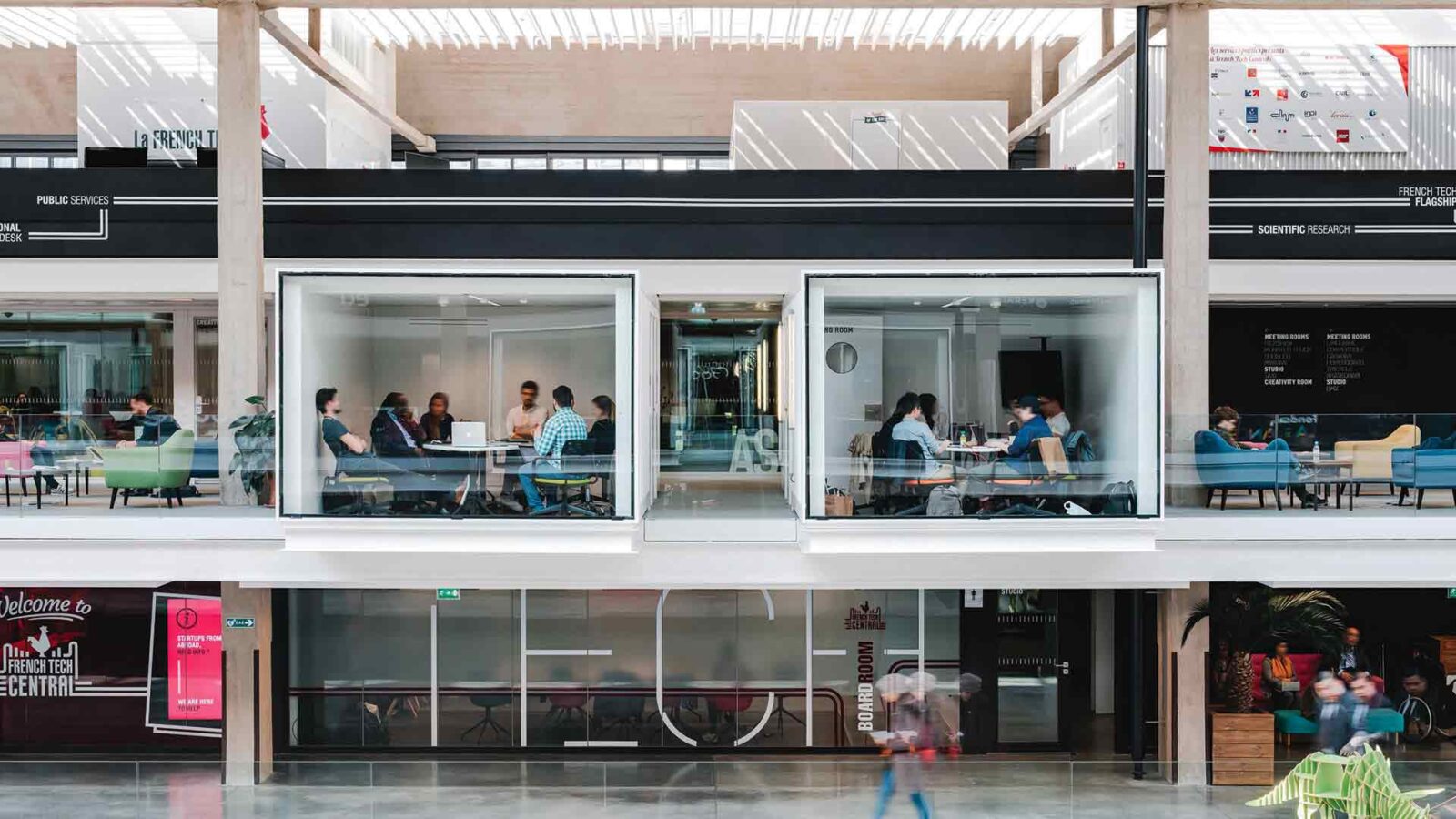
The French start-up visa is a unique opportunity for talented entrepreneurs from Russia and other countries to build an international business at the centre of the European French Tech innovation ecosystem and obtain a residence permit in France. The French Tech Visa for Founders (Tech Visa for Founders) offers a fast path to the right of residence, minimal investment requirements and maximum support at every stage of the project. Immigrating to France through this programme is an investment in the future.
The programme’s main advantage is its comprehensive approach: not just a visa, but full integration into the French and European business environment with access to French Tech investors, mentors, customers and partners. France is actively building its reputation as a start-up nation, and the French Ministry of the Economy invests in innovation and creates the most favourable conditions for foreign entrepreneurs through the La French Tech programme.
Although obtaining the French start-up visa requires careful preparation, time and money, the result is worth it. Successfully completing the programme and obtaining a French residence permit through a start-up opens a long-term prospect not only for the business but for the whole family: good education for children, a high standard of living, European citizenship and freedom to travel around the world.
It is important to approach the process realistically: assess how ready the project and team are, and your financial means. With proper preparation, a strong project and professional support, the chances of success increase significantly. Many French and international entrepreneurs have already taken this path and are now developing their companies in France within the French Tech Ecosystem, using all the advantages of a French residence permit.
The French Tech Visa is not just a document granting the right of residence; it is a ticket into one of the world’s most dynamic and promising ecosystems, where innovation and entrepreneurship are actively supported at state level by the French Ministry of the Economy. Unlike golden visas in other countries that require large investments, this programme focuses on real innovative potential and entrepreneurial talent.
For those who are truly ready to develop an innovative business and want the French Tech visa, this programme opens the doors to Europe and lays the foundation for long-term success. The French Tech Visa is an investment in the future of your start-up project and your family. Immigrating to France under this programme gives not only legal status but also access to one of the world’s most developed innovation ecosystems.
Note. The “talent” rules have changed three times in two years. Checked on 11 September 2026: the card is officially called the carte de séjour pluriannuelle “talent”; the fee for the first card since 1 May 2026 is €350 instead of the previous €225; and for naturalisation since 1 January 2026 French at B2 level is required, and B1 certificates are no longer accepted. Check thresholds, fees and procedures as of your application date on the official websites of the French authorities.
- What the French Tech Visa is and why it matters
- The three French Tech Visa categories: who the programme suits
- How to get the start-up visa: step-by-step guide
- Stage 1: Preparation and choosing an incubator
- Stage 2: Preparing documents and the incubator application
- Stage 3: Getting the letter of support
- Stage 4: Gathering the full set of documents
- Stage 5: Applying at the French consulate
- Stage 6: Review of the application and waiting for a decision
- Stage 7: Collecting the visa and entering France
- Stage 8: Formalities in France after arrival
- Benefits of the French Tech Visa: why people choose France
- Requirements and selection criteria: what is assessed in an application
- Cost and timelines: financial planning for the move
- Top incubators and accelerators in France
- Common mistakes and how to avoid them
- Renewing the visa and getting a residence permit: what comes next
- Comparison with other European programmes
- Specifics for Russian citizens
- Alternatives and back-up plans
- Practical tips from experts
- Useful resources and contacts
- Conclusion: the French Tech Visa as a path into the European innovation ecosystem